
Prichard Colón Meléndez, the once-undefeated Puerto Rican boxer whose 2015 bout with Terrel Williams ended in a catastrophic brain injury, died on August 13, 2026, at the age of 33. His father, Richard Colón, confirmed the news with a short statement: "I regret to inform you of the passing of my son Prichard from this earthly world. He is now in a better place." Colón spent his final 11 years in a persistent vegetative state after suffering a left-sided subdural hematoma — a dangerous collection of blood between the brain and its protective outer covering — from repeated illegal punches to the back of his head. His death has re-ignited a long-running conversation about brain health, head-injury awareness, and safety in combat sports.
The Fight That Changed Everything: What Happened in Fairfax, Virginia
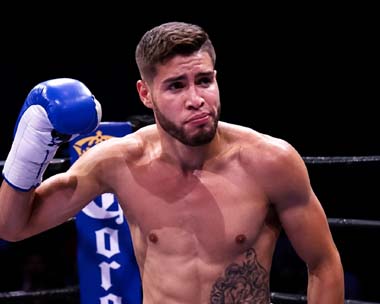
On October 17, 2015, Colón stepped into the ring at EagleBank Arena in Fairfax, Virginia, to face Terrel Williams in what would become his final professional bout. At the time, Colón was a rising star with a flawless 16-0 record, including 13 knockouts, and had captured a gold medal at the 2010 Pan American Youth Championship in the 64 kg division.
Throughout the fight, Williams repeatedly struck Colón with "rabbit punches" — illegal blows to the back of the head that are banned in every major combat sport. Colón complained to referee Joseph Cooper multiple times, but according to accounts, Cooper dismissed him, telling him, "You take care of it." After Colón was penalized two points for a low blow, Williams continued landing punches to the back of his opponent's head.
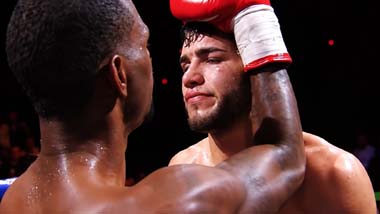
In the ninth round, Colón was knocked down for the first time in his professional career. He told the ringside doctor, Richard Ashby, that he felt dizzy but believed he could continue; Ashby cleared him to go on. The fight ended in disqualification after Colón's corner mistakenly removed his gloves, thinking the bout was over. Moments later, Colón was helped to the dressing room by his mother, Nieves, where he vomited and collapsed.
At Inova Fairfax Hospital, doctors diagnosed a left-sided subdural hematoma measuring 1.5 centimeters with 1.2 centimeters of midline shift. They performed an emergency hemicraniectomy to relieve swelling and remove the pooled blood. Colón slipped into a coma that lasted 221 days.
Timeline: From Undefeated Prospect to an 11-Year Fight for Life
Colón's journey from rising star to a decade-long medical battle unfolded over more than a decade:
- September 19, 1992: Born in Maitland, Florida, before moving to Puerto Rico as a child to pursue boxing.
- 2010: Won gold at the Pan American Youth Championship in the 64 kg division.
- 2013: Turned professional after a 170-15 amateur career, debuting in February.
- October 17, 2015: Suffered the brain injury against Terrel Williams in Fairfax, Virginia.
- 2016: Emerged from a 221-day coma but remained in a persistent vegetative state.
- 2017: His parents filed a lawsuit seeking more than $50 million against ringside doctor Richard Ashby and fight organizers.
- July 2018: His mother shared video of him responding to verbal commands and learning to communicate via computer.
- August 13, 2026: Died at age 33 in Orlando, Florida, after 11 years of round-the-clock care.
Why Prichard Colón's Story Matters: Brain Health in Combat Sports
Colón's injury is one of the most high-profile cases of traumatic brain injury (TBI) in modern boxing. A subdural hematoma occurs when blood collects between the brain and the dura mater, its tough outer membrane, typically after a blow tears blood vessels. As the blood pools, it increases pressure inside the skull — a medical emergency that can damage brain tissue and, in severe cases, become fatal.
The warning signs Colón reportedly showed that night — dizziness, vomiting, and incoherence — are classic red flags of a serious head injury. Health experts emphasize that these symptoms should never be dismissed, whether in the ring or in everyday life. In Colón's case, the ringside doctor reportedly believed the young fighter would "shake it off," a decision that has been central to the family's still-unresolved lawsuit.
For anyone who trains in boxing, MMA, or other contact and combat sports, Colón's story is a stark reminder of why brain health matters as much as physical conditioning. Safety measures that can reduce risk include enforcing rules against illegal blows to the back of the head, thorough medical checks between rounds, and removing any athlete who shows signs of concussion or head trauma — regardless of how eager they are to continue.
The injury also underscores the long-term, invisible toll of head trauma. While broken bones and torn ligaments heal visibly, brain injuries can persist for years, affecting speech, mobility, and cognition long after the initial incident.
Where Things Stand: Tributes and an Unsettled Legal Case
Colón's death prompted an outpouring of tributes from the boxing world. The World Boxing Organization (WBO) said his "greatest fight became a testament to resilience and the unwavering love of his family," while the World Boxing Council (WBC) wrote, "Prichard's fighting spirit will never be forgotten. Rest in peace, Champion."
Meanwhile, the legal battle over his care remains unresolved. The 2017 lawsuit filed by Colón's parents against Dr. Ashby and the match organizers sought more than $50 million in damages but was never settled or brought to trial as of 2025. The family did not publicly disclose a specific immediate cause of death, instead pointing to the severe health complications Colón lived with following the 2015 injury.
Terrel Williams, who faced criticism for the repeated illegal blows, said in a 2017 interview that he refused to accept blame: "I would never intentionally harm someone like that... I don't place any blame on myself."
What Happens Next: Safety Reform and Brain Injury Prevention
Colón's death is likely to renew calls for stronger safety protocols in boxing, including stricter penalties for rabbit punches, better ringside medical oversight, and independent neurological screening before and after fights. Advocates have long argued that officials must be willing to stop a bout the moment a fighter shows signs of head trauma, rather than deferring to a fighter's willingness to continue.
For fitness enthusiasts who spar or compete, the takeaway is practical: respect the rules, recognize the symptoms of concussion, and never ignore dizziness, nausea, or confusion after any blow to the head. Early medical attention can be the difference between recovery and lifelong disability.
Key Takeaways: What to Remember About Prichard Colón
- Prichard Colón was an undefeated (16-0) Puerto Rican boxing prospect before a 2015 fight changed his life.
- He suffered a subdural hematoma after repeated illegal rabbit punches from Terrel Williams.
- He spent 221 days in a coma and lived 11 years in a persistent vegetative state, cared for by his parents.
- His family's $50 million lawsuit against the ringside doctor and organizers was never resolved.
- His story is a powerful reminder of the importance of brain health, concussion awareness, and safety in combat sports.