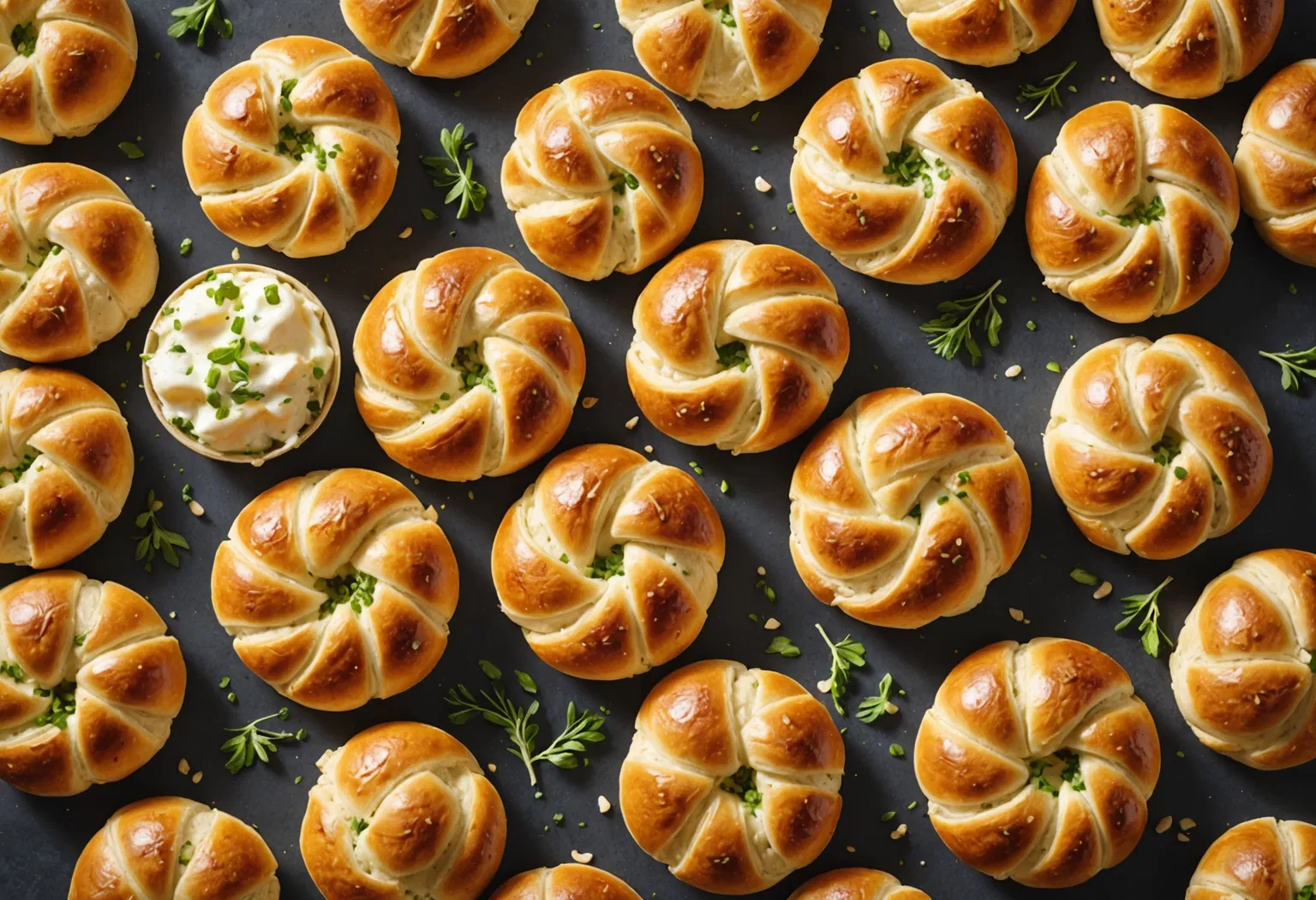
Publix Super Markets has issued an urgent food safety recall for its popular Garlic Knot Rolls after discovering a serious labeling error that could pose life-threatening risks to customers with egg allergies. The recall, announced on March 30, 2026, affects 12-count packages of the bakery product sold with sell-by dates before March 31, 2026, where the allergen statement fails to list egg as an ingredient. This oversight violates FDA food allergen labeling requirements and creates a potentially dangerous situation for the millions of Americans with egg allergies.
How the Publix Garlic Knot Recall Unfolded: A Labeling Error with Serious Consequences
According to the Miami Herald, Publix recalled batches of 12-count plastic containers of garlic knot rolls because the labels didn't warn of egg's presence, creating a danger for egg allergy sufferers. The Lakeland-based grocery chain confirmed that the labels on the Garlic Knot Rolls sold before Tuesday, March 31, don't list egg among its allergens. This discovery prompted immediate action from the company's quality control team, leading to the voluntary recall announcement.
The Independent reports that the rolls pose a health risk to customers who have an egg allergy but don't see the ingredient listed in the allergen statement. Recalled packs can be identified with the GTIN 29682800000, and customers who purchased the garlic knot rolls before March 31 can either throw them away or return them to a Publix store for a refund. No other Publix products are affected by this specific recall, according to company statements.
MSN's coverage notes that Publix has recalled its 12‑count bakery garlic knot rolls sold before 31 March after discovering egg was missing from the allergen label. The company emphasized that while the product contains egg, the omission from the allergen statement creates a potentially dangerous situation for those with egg allergies, which can range from mild hives to severe anaphylaxis.
Timeline: The Publix Garlic Knot Recall from Discovery to Action
The sequence of events leading to this recall reveals how quickly food safety protocols can mobilize when potential hazards are identified. According to available reports, the timeline unfolded as follows:
- Late March 2026: Publix quality assurance teams discovered the labeling discrepancy during routine checks.
- March 30, 2026: Publix Super Markets, Inc. officially announced the voluntary recall of select batches of Garlic Knot Rolls.
- March 31, 2026: The cutoff date for affected products—any garlic knot rolls with sell-by dates before this date are included in the recall.
- Early April 2026: Major news outlets including The Miami Herald, The Independent, and MSN began reporting on the recall, amplifying the warning to consumers.
- Ongoing: Publix continues to accept returns of the affected product and has implemented additional checks to prevent similar issues.
The rapid response highlights the food industry's increased vigilance around allergen labeling following heightened FDA scrutiny and growing consumer awareness about food allergies.
Why This Recall Matters for Food Safety and Allergy Awareness
This recall represents more than just a single product issue—it underscores critical aspects of food safety, regulatory compliance, and consumer protection in today's grocery landscape. Egg allergies affect approximately 2% of children and 0.5% of adults in the United States, according to Food Allergy Research & Education (FARE). For these individuals, accidental exposure can trigger reactions ranging from mild discomfort to life-threatening anaphylaxis.
The Food Allergen Labeling and Consumer Protection Act (FALCPA) requires that the eight major food allergens—milk, eggs, fish, shellfish, tree nuts, peanuts, wheat, and soybeans—be clearly declared on food labels. Publix's labeling error represents a violation of these federal requirements, albeit unintentional. Such mistakes can occur during recipe changes, production line switches, or packaging updates when allergen statements aren't properly updated to reflect current formulations.
Food safety experts emphasize that accurate allergen labeling isn't just a legal requirement—it's a moral obligation to protect vulnerable consumers. "When companies like Publix identify these errors and act quickly to correct them, it demonstrates responsible corporate citizenship," says Dr. Amanda Chen, a food safety specialist at the University of Florida. "However, prevention through robust quality control systems should always be the priority."
For individuals with food allergies, this recall serves as a reminder to always read labels carefully, even for products they've purchased before. Recipe formulations can change, and packaging errors can occur despite rigorous quality controls. The Publix incident also highlights the importance of the "precautionary allergen labeling" debate—whether terms like "may contain" provide sufficient protection or create unnecessary limitations for allergic consumers.
Where Things Stand: Latest Updates on the Publix Recall
As of early April 2026, the Publix Garlic Knot Rolls recall remains active, with the company continuing to accept returns and provide refunds to affected customers. According to the latest information from Publix's corporate website, the recall specifically applies to:
- 12-count packages of Publix Bakery Garlic Knot Rolls
- Products with sell-by dates before March 31, 2026
- Items purchased at any Publix location across the Southeastern United States
- Products identified by GTIN 29682800000
The company has confirmed that no illnesses or allergic reactions have been reported in connection with this labeling error. This fortunate outcome likely results from the rapid identification and announcement of the problem, giving consumers immediate warning before significant exposure could occur.
Publix has enhanced its verification processes for allergen statements on all bakery products and is conducting additional staff training to prevent similar oversights. The company's responsiveness aligns with its generally strong reputation for customer service and quality control—a reputation that makes this labeling error particularly noteworthy.
What Happens Next: Steps for Publix and Consumers
Looking forward, several developments are likely following this recall. Publix will need to complete its internal investigation into how the labeling error occurred and implement corrective actions to prevent recurrence. The FDA may follow up with its own review, though voluntary recalls that happen quickly and comprehensively typically result in minimal regulatory action.
For consumers, the path forward involves several important steps:
- Check your kitchen: If you have purchased Publix Garlic Knot Rolls recently, check the sell-by date and packaging. If the date is before March 31, 2026, dispose of the product or return it to Publix.
- Monitor for symptoms: If you or a family member has consumed the product and has an egg allergy, watch for allergic reaction symptoms including hives, swelling, difficulty breathing, or gastrointestinal distress.
- Report concerns: Consumers can report adverse reactions or labeling concerns to the FDA's Safety Reporting Portal or directly to Publix customer service.
- Stay informed: Follow updates on the Publix website or through reliable news sources for any additional information about this or other food recalls.
The broader food industry will likely watch this incident closely as allergen labeling continues to be a focal point for regulators and consumer advocacy groups. Technological solutions like digital labels with real-time updates and blockchain tracking for ingredient verification may gain increased attention as ways to prevent similar issues.
The Bottom Line: Key Points to Remember
As the Publix Garlic Knot Rolls recall continues to unfold, several essential takeaways emerge for health-conscious consumers and food safety advocates:
- Allergen accuracy matters: Even established companies with strong quality controls can make labeling errors that pose serious health risks.
- Vigilance saves lives: Always read food labels carefully, especially if you or family members have food allergies.
- Responsible recalls work: Publix's quick action demonstrates how voluntary recalls can protect consumers when implemented promptly and transparently.
- System improvements follow incidents: This recall will likely lead to enhanced quality control measures at Publix and possibly across the industry.
- Consumer rights include refunds: Affected customers have the right to return the product for a full refund, emphasizing the importance of keeping receipts for food purchases.
While no food safety system can guarantee perfection, incidents like the Publix Garlic Knot Rolls recall highlight the continuous improvement needed in allergen labeling and the shared responsibility between manufacturers, regulators, and consumers to maintain a safe food supply. For individuals focused on health and wellness, understanding these dynamics represents an important aspect of making informed food choices in today's complex grocery environment.