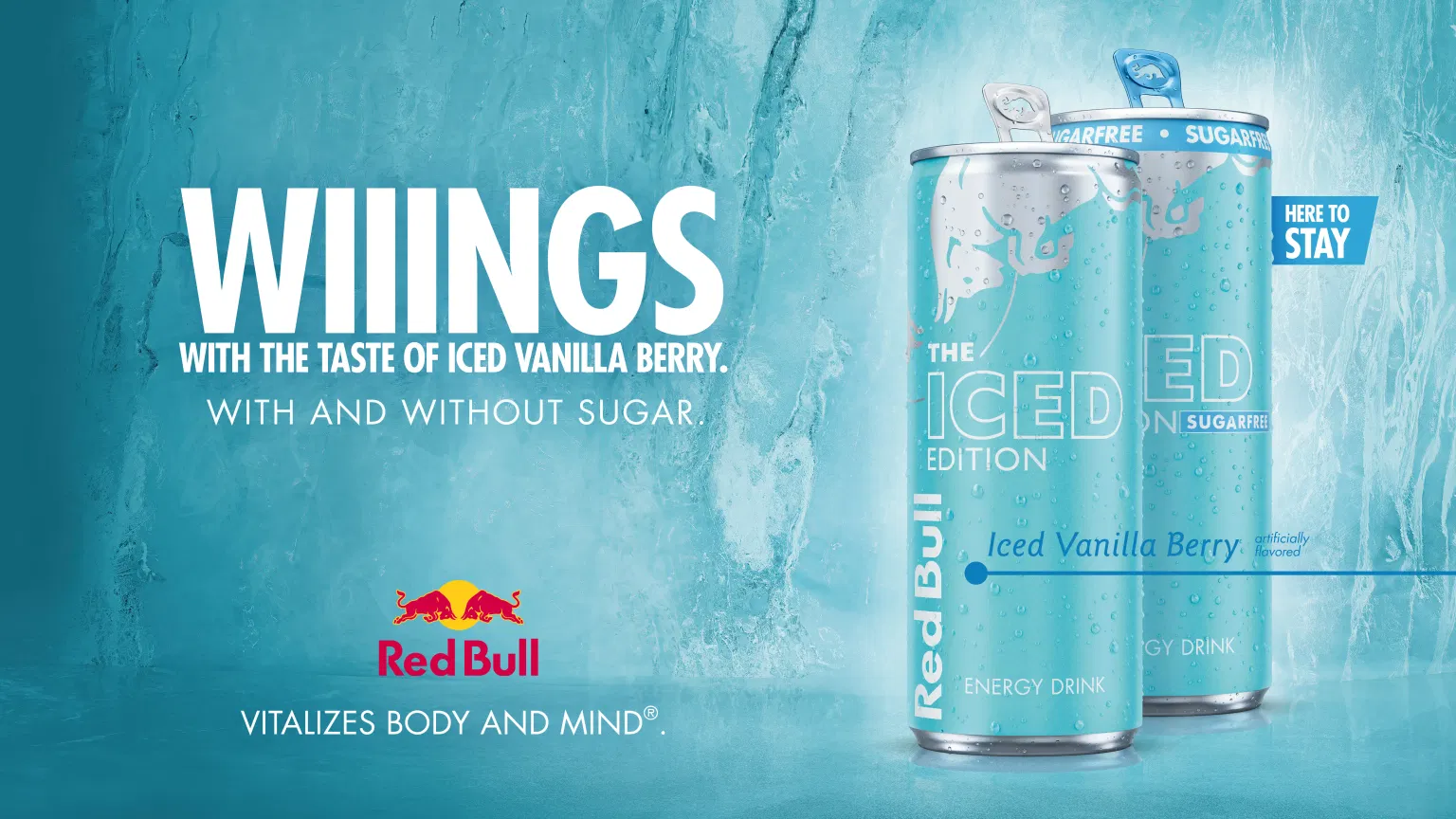
Red Bull's latest seasonal offering, the Iced Vanilla Berry Winter Edition, has taken the energy drink market by storm since its September 2024 launch. But as consumers reach for this blueberry-vanilla flavored boost, health experts are sounding the alarm about the potential cardiovascular risks and hidden health costs of regular energy drink consumption. With 114mg of caffeine per can and a sweet flavor profile that masks its stimulant content, this new edition raises important questions about how these popular beverages fit into a healthy lifestyle.
How Red Bull's Iced Vanilla Berry Captured the Winter Market
When Red Bull unveiled its second Winter Edition flavor in September 2024, the company tapped into growing consumer demand for seasonal innovation in the energy drink category. The Iced Vanilla Berry flavor combines "the taste of blueberry and vanilla with cotton candy and icy-fresh notes of eucalyptus," according to the official launch announcement. What makes this release particularly notable is that it marks the first time Red Bull has made a seasonal edition available in both regular and sugar-free versions simultaneously, responding to health-conscious consumers' preferences.
The launch strategy was carefully timed for winter consumption, with the product rolling out to wholesale depots in mid-September and achieving full cross-channel availability by October 1, 2024. Better Retailing reported that consumer testing showed "high purchase intent" for the new flavor, which aimed to replicate the success of Red Bull's first Winter Edition, Spiced Pear, which drove 35% of Red Bull Editions' growth within its first 12 weeks of sale.
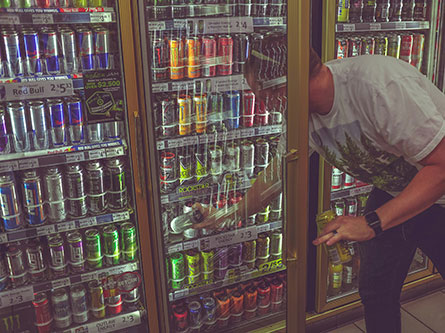
Market response has been enthusiastic, with Sporked's review giving the full-sugar version a 9.5/10 rating, describing it as "a perfect blue-gummy-flavored Red Bull." The sugar-free variant earned an 8/10 rating, praised for making blueberry flavor more prominent without the sugar punch. Both versions remain available through April 2025, extending Red Bull's traditional seasonal window to six months in response to changing consumption patterns.
From Concept to Can: The 2024 Winter Edition Timeline
The development of Red Bull's Iced Vanilla Berry followed a strategic timeline that highlights how major energy drink brands plan their seasonal offerings. The flavor was first unveiled to trade partners in early September 2024, with industry publication Better Retailing breaking the news on September 9. By mid-September, the product began appearing in wholesale depots across the UK and Europe, with a staged rollout to ensure adequate stock before the official October 1 launch date.
In the United States, the launch followed a slightly different schedule, with nationwide availability beginning October 21, 2024. Interestingly, some Walmart stores had the product on shelves weeks before the official release date, creating early buzz among energy drink enthusiasts. The flavor's international naming varied by market—while the U.S. received "Iced Vanilla Berry," other markets saw it labeled as "Iced Cotton Candy" or "Iced Gummy Bear"—but the color scheme and core flavor profile remained consistent globally.
This extended availability period represents a shift in Red Bull's seasonal strategy. As noted in Sporked's review, "Based on the new six-month availability periods for their Winter and Summer Editions, Red Bull is just planning ahead for when global warming has reduced our weather options to 'way too hot' and 'way too cold.'" This approach ensures year-round consumer engagement with seasonal flavors while addressing practical distribution challenges.
The Hidden Health Costs of Your Energy Drink Boost
Behind the appealing blueberry-vanilla flavor lies a concerning nutritional profile that health experts warn could undermine cardiovascular health. Each 12-ounce can of Red Bull Iced Vanilla Berry contains 114mg of caffeine, along with a blend of taurine, B vitamins, and either sugar or artificial sweeteners depending on the version. While this provides the promised energy boost, UC Davis Health researchers note that "the combination of high caffeine and other stimulants in energy drinks can lead to increased heart rate and blood pressure, both of which are risk factors for heart disease."
The regular version contains 160 calories per can primarily from sugar, while the sugar-free alternative uses sucralose and acesulfame potassium as sweeteners. According to Cleveland Clinic registered dietitian Amber Sommer, RD, LD, "The combination of caffeine and added sugars in energy drinks is associated with decreased insulin sensitivity and increased blood sugar, so they may not be a smart choice for those with diabetes." She adds that regular consumption can increase risk of adverse effects including anxiety, depression, rapid heart rate, stroke, and weight gain.
Particularly concerning is the potential for energy drinks to trigger stroke through a condition called reversible cerebral vasoconstriction syndrome (RCVS). "It's not uncommon for individuals to feel jittery or anxious after consuming caffeine alone," Sommer warns. "But when you consume excessive amounts and combine this with the stimulant effect of additional ingredients like guarana, it can amplify the psychological and neurological effects and may even lead to stroke."
Where the Energy Drink Market Stands Today
The launch of Iced Vanilla Berry comes during a period of unprecedented growth for the energy drink industry. Red Bull alone recorded sales of approximately $7.34 billion in the United States in 2023, according to Cleveland Clinic's analysis of Statista data. This growth is driven by continuous flavor innovation, expanded availability, and aggressive marketing targeting young adults and athletes. The seasonal editions strategy has proven particularly successful, with Red Bull's previous Winter Edition, Spiced Pear, driving significant growth within the first three months of launch.
Consumer testing for Iced Vanilla Berry revealed that 72% of participants said they would be likely to buy the flavor, indicating strong market potential. Convenience Store reported that the new flavor is available in multiple formats including 250ml cans (£1.60 RRP), price-marked 250ml cans (£1.55), Sugarfree 355ml cans (£1.95), and Sugarfree 4x250ml multipacks (£5). This tiered pricing and packaging strategy allows Red Bull to capture value across different consumer segments and consumption occasions.
Despite health concerns, energy drinks continue to gain market share from traditional caffeinated beverages. The category's growth is fueled by convenience culture, increased work demands, and social media marketing that positions these products as lifestyle accessories rather than mere beverages. However, this expansion comes alongside growing regulatory scrutiny and increased warnings from health organizations about the risks of excessive consumption, particularly among adolescents and young adults.
The Future of Energy Drinks: Healthier Alternatives Gain Ground
As awareness of energy drink risks grows, consumers are increasingly seeking healthier alternatives that provide sustainable energy without the adverse health effects. Health experts recommend several natural options that offer energy benefits without the caffeine overload. According to Cleveland Clinic's guidance, black tea provides approximately 45mg of caffeine per serving—about half that of coffee—along with antioxidant benefits. Green tea offers similar advantages with research suggesting it may help fight cancer, lower blood pressure and cholesterol, and support weight management.
For those seeking electrolyte replacement without excessive sugar, coconut water emerges as a strong alternative. "This option is loaded with minerals, antioxidants and electrolytes, making it a perfect way to boost your energy after a workout," notes the Cleveland Clinic analysis. Kombucha, a fermented tea containing probiotics, offers digestive benefits alongside mild energy enhancement from its tea base.
Perhaps most importantly, health professionals emphasize foundational lifestyle practices for sustainable energy. "Making sure you drink enough water throughout the day will help keep you from being dehydrated, which zaps your energy," advises Sommer. Adequate sleep, balanced nutrition with lean proteins and whole grains, and regular exercise provide natural energy regulation without the crash associated with stimulant-based products. These alternatives represent a growing segment of the functional beverage market as consumers become more educated about the long-term impacts of their consumption choices.
Key Points to Remember About Energy Drinks and Your Health
While Red Bull's Iced Vanilla Berry offers an appealing seasonal flavor experience, it's essential to consider the broader health implications of regular energy drink consumption. The product contains 114mg of caffeine per serving—substantially more than many traditional beverages—along with either sugar or artificial sweeteners that carry their own health considerations. Health organizations consistently warn that these beverages can increase heart rate, blood pressure, and risk of heart rhythm disturbances, particularly for individuals with pre-existing conditions.
Certain populations should avoid energy drinks entirely, including children and adolescents, pregnant women, individuals with heart or kidney disease, and anyone taking medications that might interact with stimulants. For those who do consume these products, moderation is crucial, and mixing them with alcohol or medications should be strictly avoided due to dangerous interactions.
The temporary energy boost provided by drinks like Red Bull's Iced Vanilla Berry comes at a potential long-term cost to cardiovascular and metabolic health. As the functional beverage market evolves, consumers have increasing access to alternatives that provide energy benefits without the risks. Making informed choices about caffeine consumption and prioritizing natural energy sources through proper hydration, nutrition, and sleep represents the healthiest approach to maintaining energy levels while protecting long-term wellbeing.