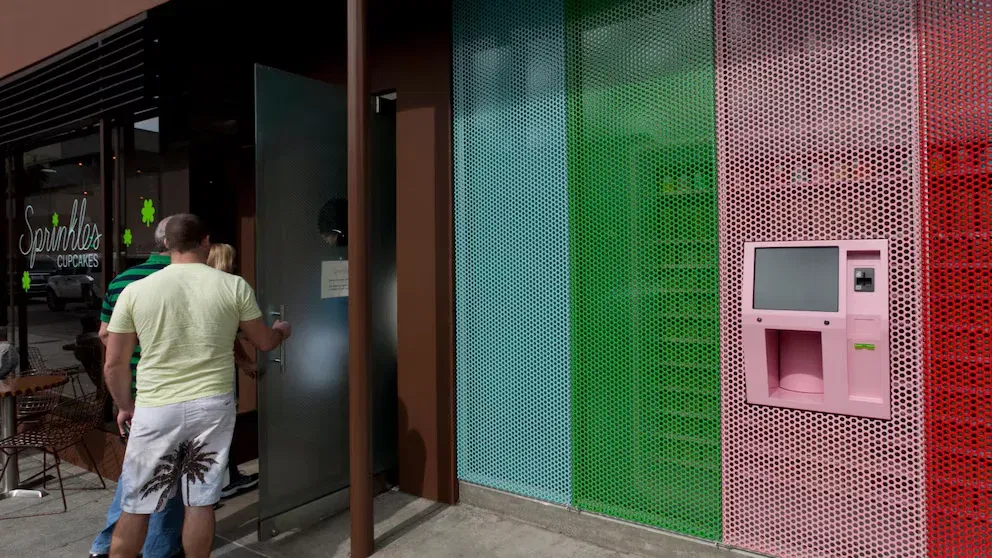
The era of gourmet cupcakes as a cultural phenomenon has officially ended with the sudden closure of Sprinkles Cupcakes, the iconic bakery chain that pioneered the "cupcake ATM" and defined dessert trends for two decades. In a stunning announcement on December 31, 2025, founder Candace Nelson revealed that all company-owned Sprinkles locations would permanently shutter, sending shockwaves through the food industry and leaving employees with just one day's notice. While the business news focuses on private equity ownership and abrupt closures, health experts see this moment as a symbolic shift away from sugar-laden treats toward healthier eating habits that align with modern fitness goals.
How a Cupcake Empire Collapsed Overnight
Candace Nelson's emotional Instagram video on New Year's Eve delivered the news that few saw coming: Sprinkles Cupcakes, the brand she started in her kitchen in 2005, would close all its bakery doors immediately. "Just to say that out loud is completely surreal," Nelson said, explaining she had learned of the decision only two days prior. The founder, who sold the company to private equity firm KarpReilly in 2012, expressed deep disappointment that her culinary legacy would end this way. "I thought Sprinkles would keep growing and be around forever," she confessed. "I thought it was going to be my legacy."
The aftermath was chaotic. Employees across more than 20 locations in six states and Washington D.C. received virtually no warning, with many taking to social media to express outrage. "Cupcakes are sweet. One-day layoff notices are not," wrote one commenter on Sprinkles' Instagram page. Another added: "Thanks for the one day notice of unemployment and no severance!" The company's spokesperson told KTLA that the decision to "transition away from operating company-owned Sprinkles bakeries" was made after "thoughtful consideration," but provided no explanation for the sudden timing.
Timeline: From KitchenAid Mixer to Nationwide Closure
Sprinkles Cupcakes' journey from a single Beverly Hills storefront to a national phenomenon reflects both the rise and fall of the gourmet cupcake trend. In 2005, after losing her job in investment banking, Candace Nelson enrolled in pastry school and opened the first Sprinkles location in what had previously been a sandwich shop. The dense, generously frosted cupcakes quickly gained celebrity followings, with flavors like red velvet, ginger lemon, and s'mores becoming instant classics.
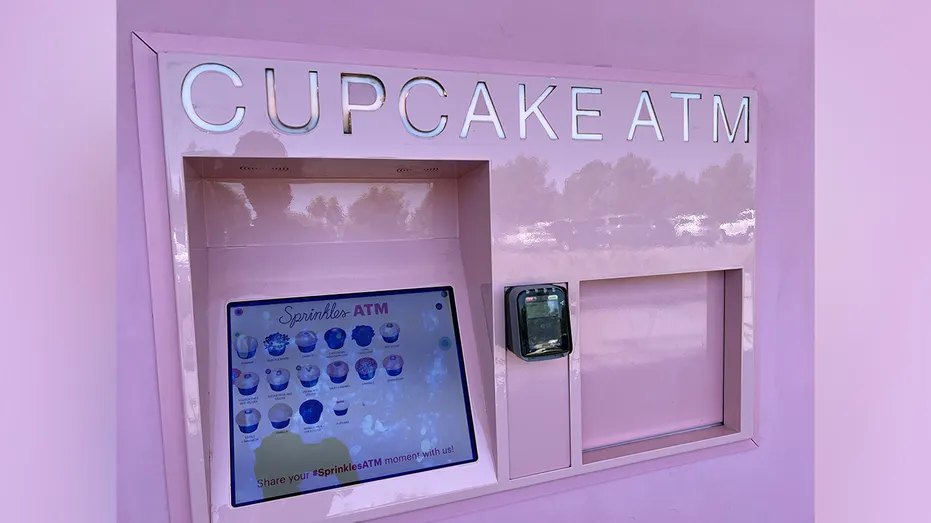
By 2007, the brand expanded to Dallas, Texas, marking its first location outside California. The company's innovative cupcake ATM debuted in 2012, creating viral moments on TikTok with its mechanical arm delivery and repetitive "I love Sprinkles" jingle. That same year, Nelson sold Sprinkles to KarpReilly Capital Partners for an undisclosed amount. Over the next decade, the chain grew to over 20 locations and approximately 25 cupcake ATMs in malls and airports nationwide. The abrupt closure on December 31, 2025, came exactly 20 years after the brand's founding, leaving fans and employees alike wondering what went wrong.
The Health Implications: Why Sugary Desserts Are Falling Out of Favor
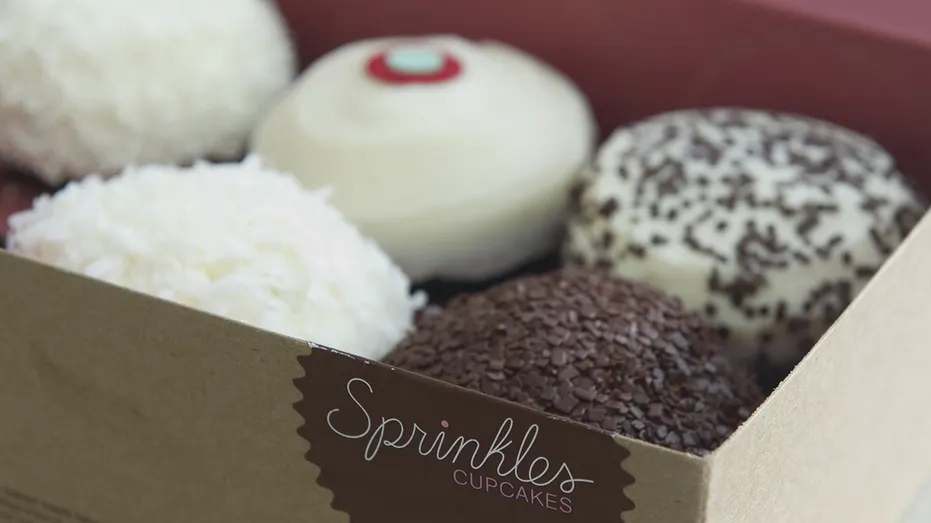
While business analysts point to private equity struggles and changing consumer spending, nutrition experts identify a deeper trend: America's evolving relationship with sugar. A typical Sprinkles cupcake contains between 300-500 calories, with 20-30 grams of sugar—approaching or exceeding the American Heart Association's recommended daily limit of 25 grams for women and 36 grams for men. "When you consume a cupcake like this, you're essentially eating a meal's worth of calories in pure sugar and refined carbohydrates," explains Dr. Maya Rodriguez, a registered dietitian. "There's no nutritional benefit—just empty calories that spike blood sugar and contribute to inflammation."
This shift isn't isolated to Sprinkles. The broader dessert industry has seen declining sales for traditional baked goods as consumers increasingly seek healthier alternatives. "We're witnessing a fundamental change in how people approach treats," says food industry analyst Michael Chen. "There's growing demand for desserts with functional benefits—things like protein bars, low-sugar options, and treats made with alternative flours and natural sweeteners. The days of indulging in 500-calorie cupcakes as a regular habit are fading." Research from the International Food Information Council supports this, showing that 64% of consumers now consider sugar content when making food purchases, up from 40% just five years ago.
Where Things Stand Now: The Aftermath of the Closure
As of early January 2026, Sprinkles Cupcakes' website remains active but no longer lists operational locations or products for sale. The fate of the company's iconic cupcake ATMs remains uncertain, though they appear to have been deactivated. Former employees have organized on social media to share resources and support, while loyal customers have flooded Nelson's Instagram with memories of birthday celebrations, weddings, and special occasions marked by Sprinkles treats.
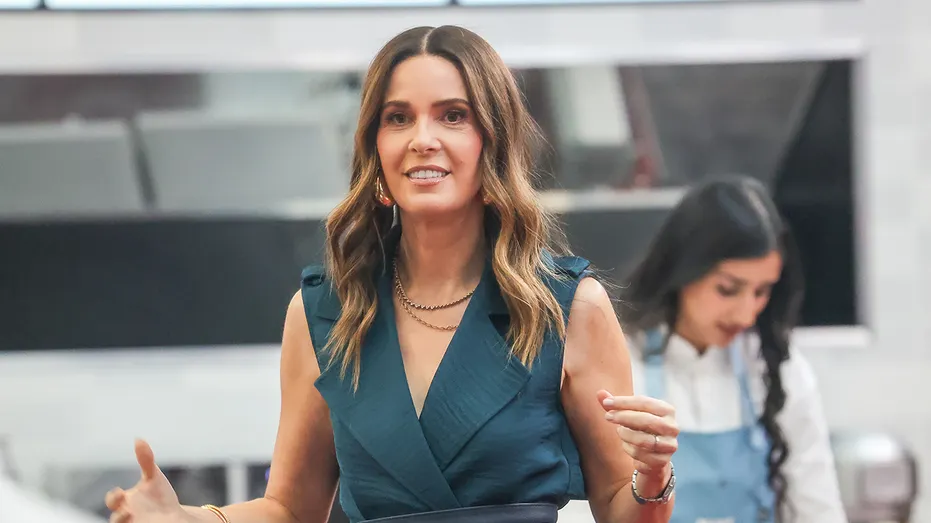
Celebrity reactions have poured in, with "Mean Girls" actress Lacey Chabert writing: "This is such sad news as I have loved Sprinkles cupcakes since you opened. I'd wait in line for that strawberry cupcake and was obsessed with the cupcake ATM." Chloe Sexton, owner of Chloe's Giant Cookies and a contestant on Gordon Ramsay's "Next Level Baker," added: "What you built with Sprinkles changed the food world forever, and that impact is eternal, no matter what happens to a physical store."
Meanwhile, the private equity firm KarpReilly has not responded to multiple media inquiries about the closure. The firm owns numerous other food brands, including health-focused companies like a kombucha brand and protein wellness shakes, suggesting a strategic shift away from traditional dessert concepts.
What's Next for the Dessert Industry and Health-Conscious Consumers
The closure of Sprinkles Cupcakes serves as a wake-up call for the dessert industry. As consumer preferences continue evolving toward healthier options, businesses must adapt or risk obsolescence. "We're entering an era where indulgence needs to align with wellness goals," predicts nutrition expert Dr. Rodriguez. "This doesn't mean desserts disappear—they transform. We're seeing incredible innovation in plant-based desserts, sugar alternatives like monk fruit and allulose, and portion-controlled treats that satisfy cravings without derailing health objectives."
For health-conscious consumers, this shift presents opportunities to rethink dessert habits. Consider these alternatives to traditional cupcakes:
- Fruit-based desserts: Grilled peaches with Greek yogurt, baked apples with cinnamon, or berry parfaits offer natural sweetness with fiber and nutrients.
- Dark chocolate options: A square of high-quality dark chocolate (70% cocoa or higher) provides antioxidants with less sugar than milk chocolate.
- Protein-rich treats: Greek yogurt with honey and nuts, or protein balls made with dates and nut butter, satisfy sweet cravings while supporting muscle recovery.
- Portion-controlled baking: When baking at home, use alternative flours like almond or oat flour, reduce sugar by 25-30%, and make mini versions to control portions.
Food industry analysts predict that successful dessert brands of the future will emphasize transparency about ingredients, highlight nutritional benefits, and offer smaller portion sizes. The rise of "functional desserts"—treats that provide protein, fiber, or probiotics—already shows strong market growth, with companies like Halo Top (low-calorie ice cream) and Simple Mills (better-for-you baking mixes) capturing significant market share.
Key Takeaways: Lessons from the Sprinkles Story
The sudden closure of Sprinkles Cupcakes offers important insights for both business observers and health-conscious individuals. First, even beloved brands aren't immune to changing consumer preferences, particularly when those preferences shift toward healthier options. Second, the era of excessive sugar consumption is giving way to more balanced approaches to treats. Finally, the connection between food choices and overall wellness has never been more prominent in consumer decision-making.
As we move forward, the legacy of Sprinkles Cupcakes may ultimately be less about the cupcakes themselves and more about what their closure represents: a cultural turning point where health considerations are reshaping even our most indulgent food traditions. For those committed to fitness and healthy eating, this evolution offers both challenge and opportunity—the chance to enjoy life's sweet moments while staying true to wellness goals.