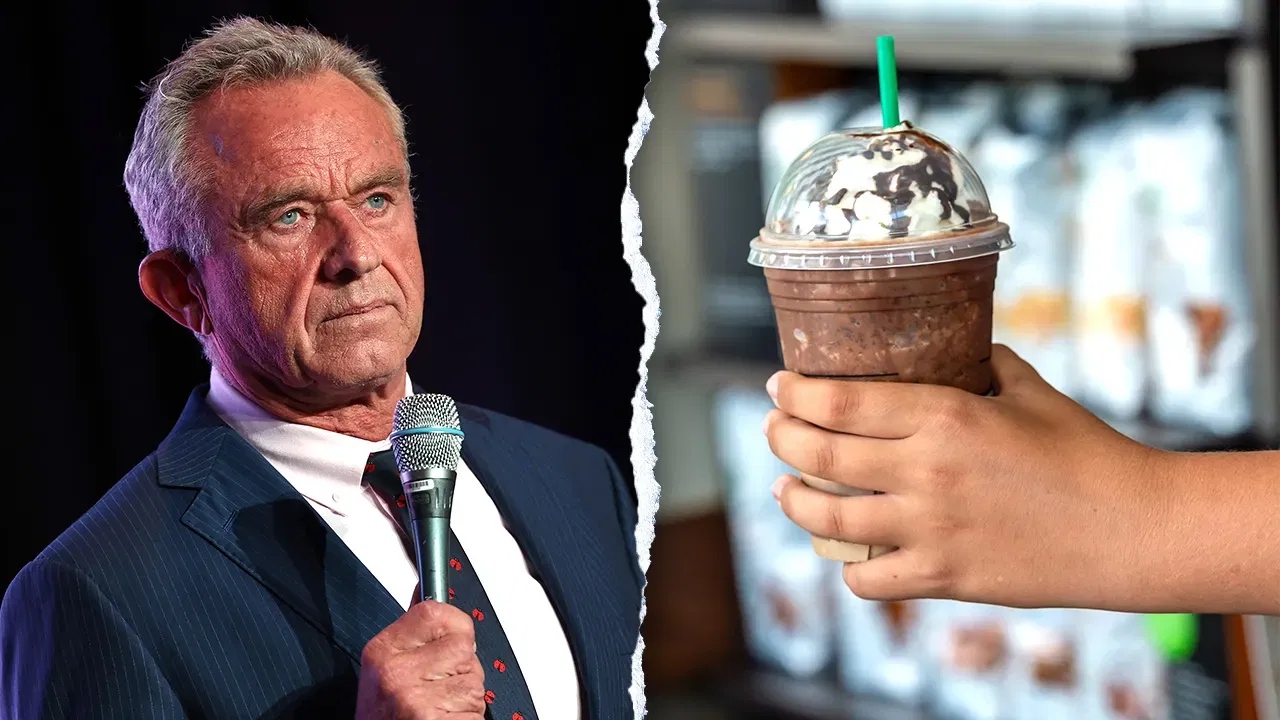
As Easter 2026 approaches on Sunday, April 5, millions of Americans are planning their holiday celebrations—and for many, that includes a coffee run to Starbucks. While most Starbucks locations will be open for business, a significant health controversy has emerged that could change how customers approach their holiday coffee orders. Health and Human Services Secretary Robert F. Kennedy Jr. has launched a surprising challenge against Starbucks and Dunkin', questioning the safety of sugary coffee drinks that contain up to 115 grams of sugar—more than triple the daily recommended limit for most adults.
The RFK Jr. Challenge: A Health Warning for Coffee Lovers
At an "Eat Real Food" rally in Austin, Texas, in late February, Kennedy made headlines with his direct challenge to the coffee giants. "We're going to ask Dunkin' Donuts and Starbucks, 'Show us the safety data that shows that it's OK for a teenage girl to drink an iced coffee with 115 grams of sugar in it,'" Kennedy declared. "I don't think they're going to be able to do it."
This unexpected move from the Health Secretary has brought national attention to what nutrition experts have been warning about for years: many popular coffee drinks contain staggering amounts of hidden sugar. As families prepare for Easter brunches and holiday gatherings, the timing of this warning couldn't be more relevant for health-conscious consumers.
The Shocking Sugar Reality in Your Coffee Cup
Publicly available nutrition information reveals just how much sugar can be hiding in seemingly innocent coffee drinks. According to data from Starbucks and Dunkin' websites:
- A Grande Starbucks Caramel Ribbon Crunch Frappuccino contains about 60 grams of sugar
- A Grande Starbucks Frappuccino can have more than 45 grams of total sugar
- A medium Dunkin' Caramel Crème Frozen Coffee contains 132 grams of sugar
- A medium Dunkin' Frozen Coffee with Cream has 81 grams of sugar
To put these numbers in perspective, family and emergency medicine physician Dr. Janette Nesheiwat explained on "Fox & Friends First": "When you think about it, 100 grams of sugar—that's equivalent to about 25 teaspoons of sugar. Think of 25 of those little cubes of sugar that you are putting in your drink."
How One Drink Can Exceed Your Entire Day's Sugar Allowance
The American Heart Association recommends limiting added sugar to about 25 grams per day for women and 36 grams for men. Yet as registered dietitian nutritionist Mackenzie Burgess pointed out to Fox News Digital, "Many drinks contain far more than that. For example, a medium Dunkin' Frozen Coffee has around 84 grams of added sugar, while a Grande Starbucks Caramel Ribbon Crunch Frappuccino has about 60 grams. That means one drink alone can have two to three times more sugar than recommended for the entire day."
Burgess provided a striking comparison: a medium Dunkin' Frozen Coffee is equivalent to three Snickers bars, while most Frappuccinos "are comparable to a theater-size box of M&Ms." She added an important insight about liquid calories: "Another thing to keep in mind is that when you drink sugar instead of eating it, it often doesn't feel as filling, so it's easier to consume a large amount of sugar without realizing it."
The Health Consequences of Sugar-Loaded Coffee
Medical experts are sounding the alarm about the health implications of regularly consuming high-sugar coffee drinks. Dr. Nesheiwat warned that excess sugar is extremely harmful "for your metabolism and increases your risk of chronic disease. We see obesity, diabetes, heart disease—and now we're seeing a lot of young patients with what we call non-alcoholic fatty liver disease." She also noted that "of course, let's not forget about the cavities that all the sugar can cause."
Research has shown that excessive sugar consumption can cause inflammation in the brain's memory centers and contribute to cognitive decline over time. The combination of caffeine and sugar creates a powerful but problematic energy boost that often leads to crashes, creating a cycle of dependence that's particularly concerning during busy holiday seasons.
Smart Coffee Choices for Your Easter Celebrations
Despite these warnings, nutrition experts emphasize that you don't need to give up your holiday coffee tradition entirely. Burgess offers practical advice: "As a dietitian, I always recommend starting with a base of unsweetened coffee and building from there. Choose iced coffee, cold brew, or plain-brewed coffee first, then customize it."
Most major chains offer sugar-free syrups and various milk options. Burgess shares her personal strategy: "Lately, I've enjoyed ordering a Grande Cold Brew with one pump of sugar-free vanilla, a splash of cream and cinnamon powder on top, which totals zero grams of added sugar."
Other healthy modifications include:
- Requesting fewer pumps of syrup (most drinks come with 3-4 pumps standard)
- Choosing almond milk or oat milk instead of whole milk
- Skipping whipped cream toppings
- Opting for smaller sizes
- Asking for "half-sweet" or "light syrup" versions
Easter 2026: Planning Your Coffee Run Wisely
As confirmed by Starbucks representatives to TODAY.com, most Starbucks locations will be open on Easter Sunday, April 5, 2026. However, hours may vary by location, and some stores may have adjusted schedules for the holiday. The company recommends using the Starbucks app or store locator to confirm local hours before heading out.
The same applies to Dunkin' locations, with many expected to be open but potentially with modified hours. Other restaurants like McDonald's, Wendy's, and Burger King will also be open for those seeking alternatives.
This Easter presents an opportunity to make mindful choices about holiday indulgences. Whether you're grabbing coffee before church services, fueling up for egg hunts, or enjoying a post-brunch pick-me-up, being aware of sugar content can help you make healthier decisions without sacrificing enjoyment.
The Bigger Picture: A Shift in Food Industry Accountability
Kennedy's challenge to Starbucks and Dunkin' represents a larger trend toward increased scrutiny of food industry practices. As consumers become more health-conscious and regulators pay closer attention to nutritional content, coffee chains may face pressure to reformulate drinks or provide clearer warnings about sugar content.
Some chains have already begun offering more low-sugar and sugar-free options, responding to growing demand for healthier alternatives. The controversy also highlights the importance of nutritional education, particularly for teenagers who may not realize how much sugar they're consuming in seemingly harmless coffee drinks.
Key Takeaways for Health-Conscious Coffee Drinkers
As you plan your Easter 2026 celebrations, keep these essential points in mind:
- Check store hours: Use apps or websites to confirm your local Starbucks or Dunkin' hours before visiting
- Know the numbers: Familiarize yourself with sugar content in popular drinks—many contain 2-3 times daily limits
- Customize wisely: Start with unsweetened bases and add sugar-free syrups or minimal sweeteners
- Consider size: Smaller portions naturally contain less sugar
- Balance indulgence: If you want a sweeter holiday treat, balance it with healthier choices throughout the day
The intersection of holiday traditions and health consciousness doesn't have to mean sacrifice. By making informed choices about your Easter coffee run, you can enjoy the holiday spirit while protecting your long-term health. As the debate over sugary coffee drinks continues, one thing remains clear: awareness is the first step toward healthier habits, even during special occasions.