Taylor Farms has issued a voluntary recall of 20 jalapeño-containing products — including spicy guacamole, pico de gallo, taco dip, and ready-to-eat meals sold at Walmart, Target, Kroger, Trader Joe's, Whole Foods, and more — after the peppers were linked to a multistate Salmonella outbreak that has sickened 345 people across 27 states.
The recall, announced August 9, 2026 by the company's Salinas, California-based division Taylor Fresh Foods, comes after Coast Citrus Distributors voluntarily recalled fresh jalapeños traced to a grower in Sinaloa, Mexico. Federal health officials have identified the contaminated peppers as the likely source of a Salmonella Javiana outbreak that has led to 36 hospitalizations, according to the Food and Drug Administration (FDA) and the Centers for Disease Control and Prevention (CDC).
For anyone focused on clean eating and keeping their kitchen safe, the recall is a sharp reminder that even fresh, plant-based foods can carry serious risks — and that checking labels and recall notices matters just as much as counting macros.
The Recall at a Glance: What's Being Pulled From Shelves
Taylor Fresh Foods is recalling 20 finished products containing jalapeños, distributed under both Taylor Farms branding and store brands. The recalled items were shipped to retail distribution centers in 26 states and carry "Best If Used By" dates up to and including August 16, 2026.
Recalled products include:
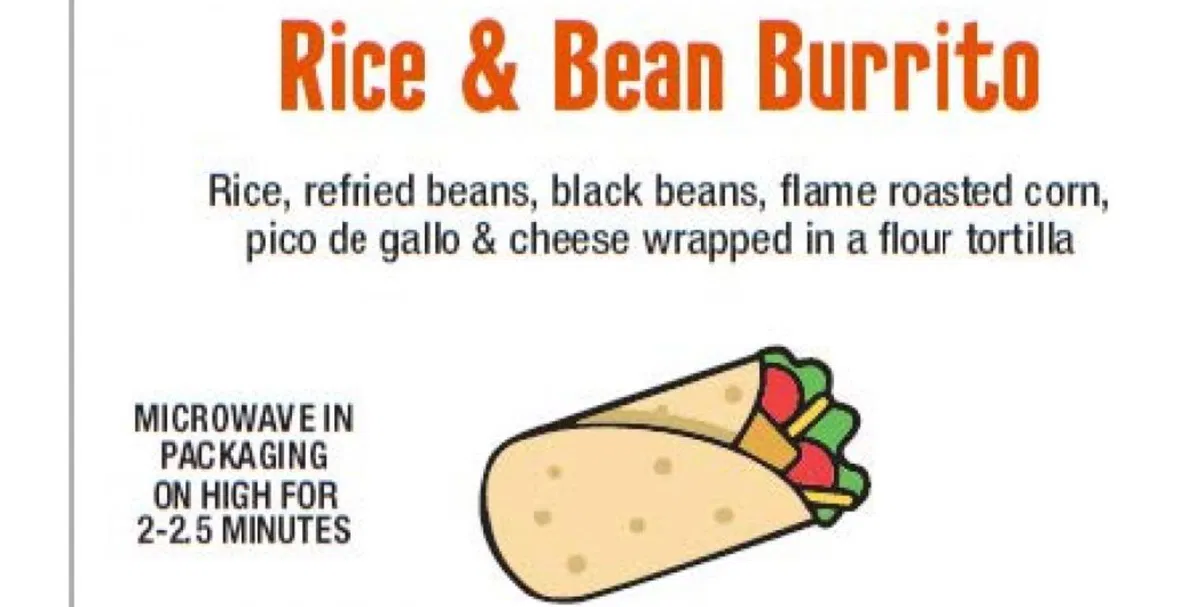
- Hannaford: Diced Jalapeños (3.75 oz) and a Rice and Bean Burrito
- Kroger: Private Selection Spicy Roast Beef Sandwich, Spicy Jarlsberg Dip, and Spicy Pimento Cheese Dip
- Stop & Shop / Hannaford: Pico de Gallo Salsa
- Target: Taco Dip, Mango Pico De Gallo, Spicy Guacamole, Pico de Gallo, and Authentic Guacamole
- Trader Joe's: Fiesta Style Salad with Shrimp
- Walmart (Freshness Guaranteed): Hot/Spicy Pico De Gallo and Mild Pico De Gallo
- Whole Foods: Salsa Fresca, Pico de Gallo (mild and spicy), Salsa Roja, Salsa Verde, and Pineapple Mango Salsa
Crucially, Taylor Fresh Foods said it is "not aware of any reported illnesses linked to its products containing jalapeños" so far. The company has stopped sourcing from the Sinaloa grower and is filling orders from alternative suppliers.
How the Outbreak Unfolded: From a Mexican Grower to Grocery Shelves
The investigation has moved quickly. Here is the sequence of events, according to federal health officials:
- July 20, 2026: The last known illness onset in the outbreak, according to FDA case counts.
- July 20: Chipotle switches its jalapeño supplier for impacted stores after receiving product imported by Coast Citrus Distributors from Sinaloa, Mexico.
- July 28: QDOBA ceases the use of jalapeños in all of its restaurants.
- August 9: Coast Citrus Distributors voluntarily recalls fresh jalapeños; Taylor Fresh Foods announces its downstream recall of 20 finished products.
- August 12: Whole Foods Market recalls additional salsas, guacamole, pico de gallo, and prepared foods containing the jalapeños.
- August 13: The FDA updates its outbreak advisory, confirming 345 illnesses and 36 hospitalizations with zero reported deaths.
Health officials traced the contaminated peppers to a single grower in Sinaloa, Mexico, that supplied Coast Citrus Distributors. Notably, Coast Citrus does not appear to sell jalapeños directly to grocery stores — it supplies distributors, wholesalers, restaurants, and food service companies nationwide, which is why the recall rippled across so many retailers and restaurant chains.
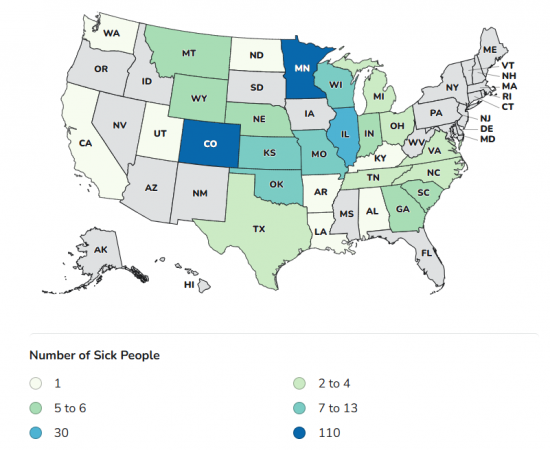
The CDC's case count map shows confirmed illnesses spread across 27 states, including Alabama, Arkansas, California, Colorado, Georgia, Illinois, Indiana, Kansas, Kentucky, Louisiana, Michigan, Minnesota, Missouri, Montana, North Carolina, North Dakota, Nebraska, Ohio, Oklahoma, South Carolina, Tennessee, Texas, Utah, Virginia, Washington, Wisconsin, and Wyoming.
Salmonella Symptoms to Watch For — and Who's Most at Risk
Salmonella is a bacterial infection that can be especially dangerous for certain groups. The FDA warns that the organism "can cause serious and sometimes fatal infections in young children, frail or elderly people, and others with weakened immune systems."
For healthy adults, symptoms typically appear 12 to 72 hours after eating contaminated food and include:
- Fever
- Diarrhea (which may be bloody)
- Nausea and vomiting
- Abdominal cramps and pain
Most otherwise healthy people recover within four to seven days, but in some cases diarrhea can be so severe that hospitalization is required. In rare circumstances, the bacteria can enter the bloodstream and lead to more serious conditions such as arterial infections, endocarditis, and arthritis. Some people can carry and spread the bacteria without ever showing symptoms themselves.
If you have eaten any of the recalled products and develop symptoms, contact a healthcare provider — and mention the potential Salmonella exposure, since special tests are needed to diagnose salmonellosis, which can mimic other illnesses.
Where Things Stand Now: The Latest on the Recall
As of the FDA's August 13 update, the outbreak status remains "ongoing." The agency has advised consumers, restaurants, and retailers not to eat, sell, or serve any recalled products, and to discard fresh jalapeños from Sinaloa, Mexico imported by Coast Citrus Distributors.
The recall has expanded beyond Taylor Fresh Foods. On August 12, Whole Foods Market recalled dozens of additional salsas, guacamole, pico de gallo, and prepared foods sold in 12 states. The USDA's Food Safety and Inspection Service also issued a public health alert for meat and poultry products containing the recalled jalapeños.
Consumers who purchased any recalled item should throw it away immediately and can request a full refund at the place of purchase. Taylor Fresh Foods' customer care line is 855-455-0098.
What Happens Next — and How to Protect Yourself
The FDA says it is working with Coast Citrus Distributors to determine the full distribution of the recalled peppers and will update its advisory as more information becomes available. More downstream recalls are possible as traceback efforts continue.
In the meantime, food safety basics go a long way. Check your refrigerator and pantry for any of the recalled products — especially if you shop at Walmart, Target, Kroger, Trader Joe's, Whole Foods, Hannaford, or Stop & Shop. When in doubt about a product's origin, throw it out.
Clean and sanitize any surfaces or containers that may have touched recalled jalapeños to prevent cross-contamination. And if you or a family member develop Salmonella symptoms, seek medical care promptly — particularly for young children, older adults, pregnant women, and anyone with a weakened immune system.
Key Takeaways: The Taylor Farms Jalapeño Recall Essentials
- What's recalled: 20 Taylor Fresh Foods products containing jalapeños, sold under Taylor Farms and store brands at major chains.
- Why: Potential Salmonella contamination traced to jalapeños from a grower in Sinaloa, Mexico.
- The toll: 345 illnesses, 36 hospitalizations, and zero deaths across 27 states.
- What to do: Discard recalled products, request a refund, and watch for symptoms 12–72 hours after exposure.