As fitness enthusiasts search for ways to balance nutrition goals with real-world budgets, an unexpected comparison has emerged as a trending topic: Texas Roadhouse and Costco. While one represents affordable dining out and the other bulk grocery shopping, both have become go-to destinations for value-conscious consumers trying to maintain healthy lifestyles. The recent surge in searches connecting these two brands reveals a growing interest in practical approaches to eating well without breaking the bank.
Navigating the Texas Roadhouse Menu for Healthier Choices
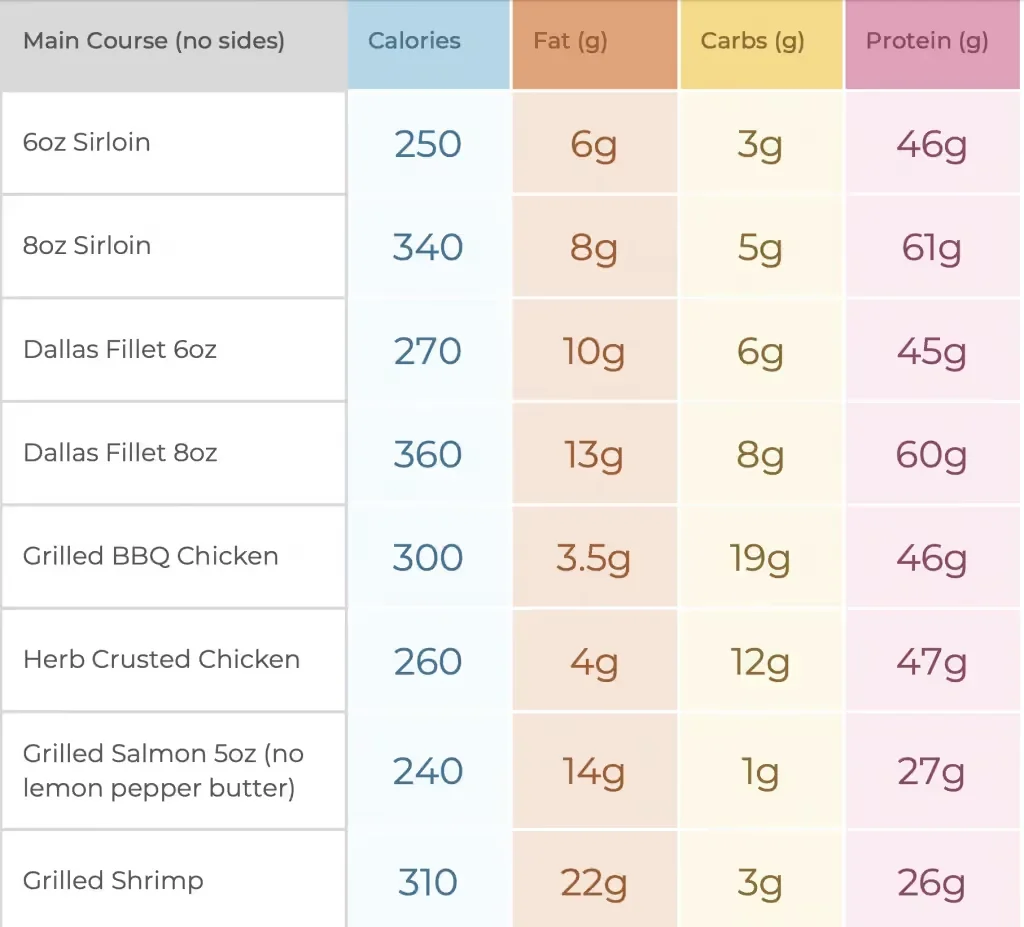
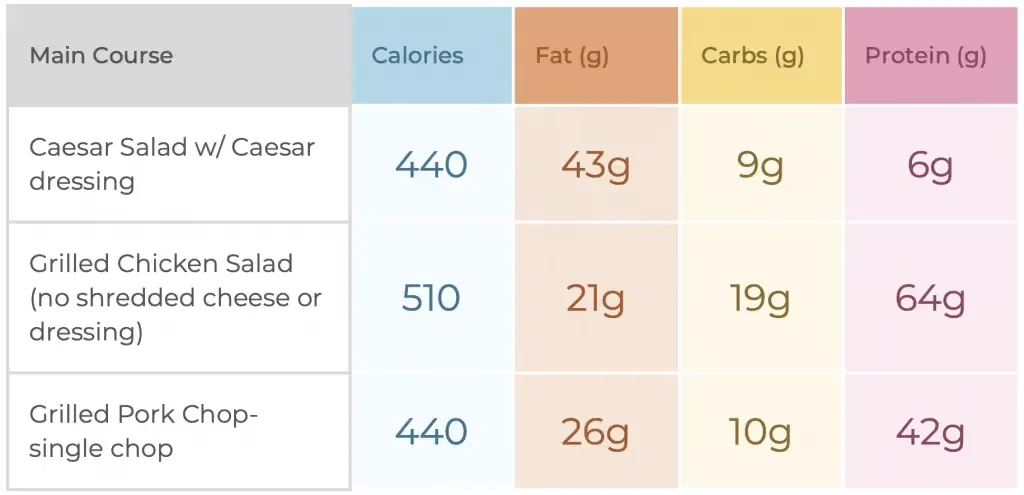
Texas Roadhouse may be known for its hearty steaks and bottomless peanuts, but according to nutrition guides from Healthi, the restaurant offers several smart options for those watching their calories and macros. "Choose lean meats like steak, salmon or grilled chicken/pork chop," recommends their restaurant guide, which also suggests bringing your own salad dressing and skipping the bread basket to reduce unnecessary calories and carbohydrates.

The key to eating healthy at Texas Roadhouse lies in strategic ordering. The 6-ounce sirloin steak provides lean protein without excessive fat, especially when paired with steamed vegetables instead of loaded mashed potatoes. The Dallas Filet, a Texas Roadhouse specialty, offers another excellent lean protein option. For those preferring poultry, the herb-crusted chicken and grilled BBQ chicken provide flavorful alternatives with reasonable calorie counts when served with appropriate sides.
Costco's Healthy Shopping Strategy for Meal Prep Success
While Texas Roadhouse offers healthy dining-out options, Costco provides the building blocks for nutritious home cooking. According to nutritionists who regularly shop at the wholesale giant, strategic bulk buying can support consistent healthy eating habits. The store's rotisserie chicken—famously priced at a loss leader—provides ready-to-eat lean protein that can be used in multiple meals throughout the week.
Frozen vegetables like broccoli, cauliflower rice, and mixed vegetable blends offer convenient, nutrient-dense options that reduce food waste. Organic produce sections have expanded significantly in recent years, making it easier to stock up on fruits and vegetables without premium prices. High-protein staples like canned tuna, salmon, Greek yogurt, and eggs are consistently available in bulk quantities, supporting muscle recovery and satiety for active individuals.
The Value Equation: Dining Out vs. Cooking at Home
The trending comparison between Texas Roadhouse and Costco highlights a fundamental question for budget-conscious fitness enthusiasts: when does dining out make financial sense versus cooking at home? According to analysis from CDT News, both brands have built their reputations on delivering exceptional value, though in different ways.
Texas Roadhouse maintains affordability through operational efficiencies and strategic pricing, with the average check remaining around $22—positioning it as an "affordable luxury" for families. Costco, meanwhile, leverages its membership model and bulk purchasing power to drive down per-unit costs on quality ingredients. For those tracking both nutrition and budget, the decision often comes down to time constraints, cooking skills, and social considerations.
Smart Swaps and Customizations for Healthier Meals
Whether dining at Texas Roadhouse or cooking with Costco ingredients, simple swaps can significantly improve the nutritional profile of meals. At the restaurant, requesting vegetables steamed without butter, choosing house salads with dressing on the side, and opting for sweet potatoes instead of loaded baked potatoes can reduce calorie and sodium intake substantially.
When shopping at Costco, focusing on the perimeter of the store—where fresh produce, meats, and dairy are typically located—helps avoid processed foods in the center aisles. Reading labels remains crucial, as even "healthy" packaged foods can contain added sugars, excessive sodium, or unhealthy fats. Batch cooking with Costco purchases and proper storage extends the value of bulk buying while ensuring healthy options are always available.
Integrating Both Approaches into a Balanced Fitness Lifestyle
The most sustainable approach to nutrition often involves a combination of strategies. Using Costco for weekly meal prep ensures healthy breakfasts, lunches, and most dinners are readily available, reducing the temptation for less nutritious convenience foods. Meanwhile, occasional meals at Texas Roadhouse can fit into a balanced eating plan when ordered strategically, serving as social outings or breaks from cooking without derailing progress.
This balanced approach acknowledges that perfect consistency is less important than overall patterns. By having healthy Costco staples on hand for most meals, the occasional restaurant meal becomes an enjoyable part of the lifestyle rather than a setback. This flexibility contributes to long-term adherence to healthy eating habits, which is ultimately more important than short-term perfection.
Key Takeaways for Fitness-Minded Consumers
The trending connection between Texas Roadhouse and Costco reflects a practical approach to nutrition that values both quality and affordability. Texas Roadhouse offers several healthy menu options when ordered with intention, particularly lean proteins and vegetable sides. Costco provides the foundation for consistent healthy eating through bulk purchases of whole foods and quality ingredients. The most successful fitness nutrition strategies often incorporate both convenient dining options and home cooking, creating a sustainable balance between nutrition goals, budget constraints, and lifestyle preferences.