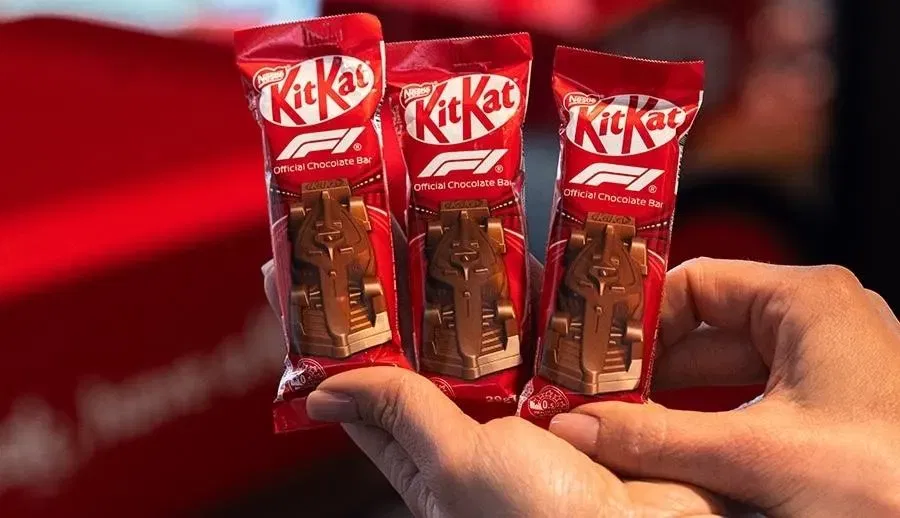
In a crime that sounds more like a movie plot than reality, thieves in Italy have made off with one of the sweetest hauls in history: approximately 12 tons of KitKat chocolate bars, totaling 413,793 individual candy bars. The stolen shipment, consisting of special Formula 1-themed KitKats, disappeared during transit from central Italy to Poland, leaving Nestlé scrambling and the internet buzzing with both concern and comedy. But beyond the bizarre nature of this "chocolaty heist" lies a more serious conversation about what 12 tons of chocolate really means for our health—and how we can enjoy sweet treats without compromising our fitness goals.
How the 12-Ton KitKat Heist Unfolded in Italy
According to Nestlé, the theft occurred last week as a truck carrying the massive shipment of KitKat Formula 1 bars was traveling from its production site in central Italy to distributors in Poland. The company revealed that the stolen cargo weighed nearly 12 metric tons, equivalent to 413,793 individual candy bars. KitKat confirmed the incident on Instagram on March 29, stating that the "sugary shipment was pilfered in transit between its factory and its destination."
What makes this heist particularly noteworthy is the specific product involved: special edition Formula 1 car-shaped KitKat bars. In 2025, KitKat became the official chocolate bar partner of Formula 1, with the collaboration launching during both F1's 75th anniversary and KitKat's 90th anniversary. The stolen bars were part of this limited edition line, featuring unique shapes and packaging that would have made them highly collectible.
Nestlé has been working with local authorities and supply chain partners to investigate the theft. In a statement, the company assured consumers that there are "no concerns for consumer safety, and supply is not affected." However, the incident highlights growing vulnerabilities in confectionery transportation across Europe, where cargo theft has been on the rise.
Timeline: From Production to Theft
The timeline of events reveals a carefully executed theft that took advantage of vulnerabilities in the supply chain. According to multiple reports, here's how the heist unfolded:
Late March 2026: The KitKat Formula 1 bars were produced at Nestlé's facility in central Italy. The special edition bars were part of a limited run celebrating the brand's partnership with Formula 1 racing.
March 23-27: The shipment was loaded onto a truck for transport to Poland. The route would take the vehicle through multiple European borders, creating potential opportunities for interception.
March 28: The truck and its sweet cargo disappeared. Initial reports suggest the thieves may have posed as law enforcement or legitimate transport personnel to intercept the vehicle.
March 29: KitKat officially announced the theft on Instagram, acknowledging the incident while attempting to maintain brand humor with references to their famous "Have a break" slogan.
March 30-31: News outlets worldwide picked up the story, with social media erupting in both concern and comedy. Memes and jokes about "four-finger discounts" and criminals "making a break for it" flooded platforms.
Present Day: The investigation continues, with Nestlé working with European authorities to track the stolen goods. Each bar contains a unique tracking code that could help identify stolen products if they surface on secondary markets.
The Nutritional Reality of 413,793 KitKat Bars
While the heist itself is remarkable, the nutritional implications of 12 tons of chocolate are staggering. According to Hersheyland's official nutrition information, each standard 1.5-ounce (42g) KitKat bar contains:
- 210 calories
- 11g total fat (7g saturated fat)
- 27g total carbohydrates
- 21g total sugars
- 1g protein
When we scale this up to the entire stolen shipment, the numbers become truly eye-opening:
- Total calories: Approximately 86,896,530 calories
- Total sugar: Approximately 8,689,653 grams (8.6 metric tons)
- Total fat: Approximately 4,551,723 grams (4.5 metric tons)
- Total carbohydrates: Approximately 11,172,411 grams (11.2 metric tons)
To put this in perspective, the stolen sugar alone equals the weight of nearly 1.5 adult African elephants. If consumed, the total calories would be enough to feed approximately 43,000 adults for an entire day (based on a 2,000-calorie daily intake).
Registered dietitian and nutrition expert Dr. Sarah Chen notes, "While an occasional KitKat can fit into a balanced diet, the sheer volume of sugar and saturated fat in this stolen shipment highlights why moderation is crucial. Consuming even a fraction of these nutritional values regularly could contribute to weight gain, increased risk of heart disease, and blood sugar imbalances."
Nestlé's Health Controversy: Pressure to Reduce Unhealthy Products
The KitKat heist comes at a time when Nestlé faces increasing pressure to address the health impact of its products. In April 2023, activist shareholders urged the company to "play its part" in global health by reducing sales of unhealthy foods high in sugar, salt, and fat.
The BBC reported that a KitKat four-finger bar contains 24.5g of sugar—approximately 6 teaspoons—which exceeds the recommended maximum daily intake of added sugars for adults in many countries. Despite this, a shareholder proposal to reduce unhealthy product sales received only 11% support in 2024, indicating the challenge of balancing profitability with public health concerns.
Food policy expert Mark Thompson explains, "The KitKat heist ironically brings attention to a much larger issue: the global overconsumption of ultra-processed foods. While we're focused on 12 tons of stolen chocolate, millions of tons of similarly nutritionally questionable products are legally sold and consumed every year, contributing to rising rates of obesity, diabetes, and cardiovascular disease."
Nestlé has made some efforts toward healthier formulations, including reducing sugar and sodium across certain product lines and introducing more portion-controlled options. However, critics argue that progress has been too slow, particularly for iconic brands like KitKat that represent significant revenue streams.
Where the Investigation Stands Today
As of the latest updates, Nestlé continues to work with European law enforcement agencies to recover the stolen shipment. The company has implemented several measures to track the missing bars:
- Unique Batch Codes: Each KitKat bar contains a scannable batch number that can be verified against stolen product databases.
- Consumer Reporting: KitKat has asked consumers, retailers, and wholesalers to scan any suspicious bars and report matches through official channels.
- Supply Chain Review: The company is conducting a comprehensive review of its transportation security protocols across Europe.
KitKat's official statement maintains a surprisingly lighthearted tone, with the brand joking that it appreciates "the criminals' exceptional taste" while emphasizing that cargo theft is "an escalating issue for businesses of all sizes."
Industry analysts note that food cargo theft has increased significantly in recent years. Research from the International Union of Marine Insurance and the Transported Asset Protection Association shows nearly 160,000 cargo-related crimes were recorded across 129 countries between 2022 and 2024, costing companies billions. In the United States alone, freight theft costs the economy up to $35 billion annually according to the American Trucking Association.
Healthier Alternatives to Satisfy Your Sweet Tooth
For those inspired by the KitKat heist story but concerned about the nutritional implications, there are numerous healthier alternatives that can satisfy chocolate cravings without the excessive sugar and saturated fat:
1. Dark Chocolate-Covered Rice Cakes
For a similar crispy texture with better nutrition, try coating whole-grain rice cakes with melted dark chocolate (70% cocoa or higher). Dark chocolate contains less sugar and more antioxidants than milk chocolate.
2. Homemade "Healthier KitKat" Recipes
Several food bloggers have created nutritious versions of KitKat bars using ingredients like:
- Almond or coconut flour for the wafer layers
- Dark chocolate sweetened with monk fruit or stevia
- Natural nut butters for creamy filling
- Dates or honey for subtle sweetness
3. Portion-Controlled Dark Chocolate Squares
Instead of a full candy bar, try having one or two squares of high-quality dark chocolate. This provides the chocolate flavor and satisfaction with significantly less sugar and calories.
4. Frozen Banana "Ice Cream" with Cacao Nibs
Blend frozen bananas until creamy, then mix in cacao nibs for crunch. This creates a dessert with natural sweetness, fiber, and antioxidants.
Certified nutrition coach Amanda Roberts advises, "The key is not necessarily eliminating treats entirely, but rather finding smarter substitutions and practicing mindful consumption. Ask yourself: Am I eating this out of hunger, habit, or emotional need? Then choose the option that aligns with your health goals."
Key Takeaways from the KitKat Heist
The bizarre theft of 12 tons of KitKat bars offers several important lessons for both consumers and the food industry:
- Moderation Matters: While an occasional treat is fine, the nutritional scale of this heist highlights why we should be mindful of our overall sugar and saturated fat intake.
- Supply Chain Vulnerabilities: The theft exposes real weaknesses in how food products are transported and protected, with implications for both companies and consumers.
- Healthier Alternatives Exist: You don't need to give up chocolate cravings entirely—numerous healthier options can satisfy sweet tooths with better nutritional profiles.
- Corporate Responsibility: The incident renews questions about food companies' roles in addressing public health concerns related to highly processed, sugar-rich products.
- Mindful Consumption: Whether it's chocolate or any other treat, being conscious of why and how much we consume can lead to better health outcomes without sacrificing enjoyment.
As the investigation into the Great KitKat Heist continues, perhaps the most valuable takeaway is this: Our relationship with food—especially indulgent treats—requires balance, awareness, and occasionally, a good sense of humor. Whether you choose to enjoy an occasional KitKat or opt for a healthier alternative, the goal should always be nourishing your body while still enjoying life's sweet moments.