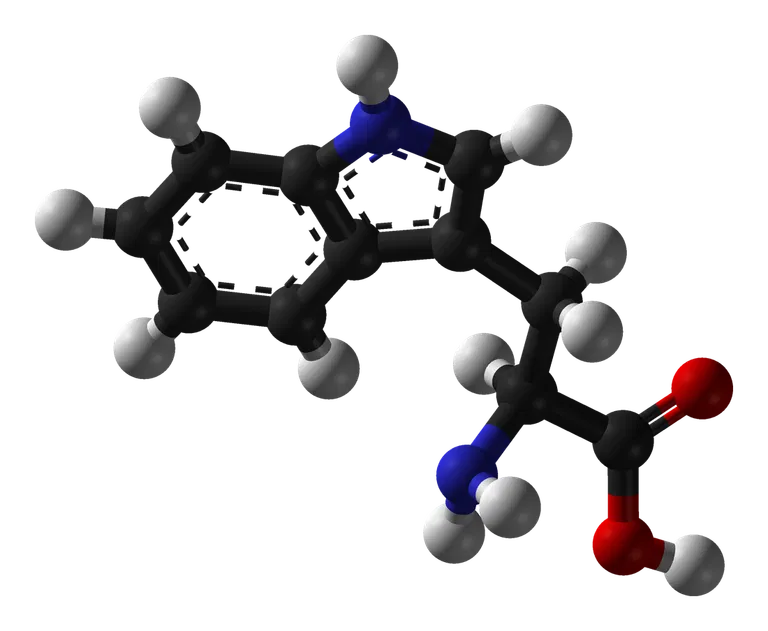
Tryptophan is an essential amino acid — your body cannot manufacture it on its own — yet it quietly sits at the center of how you sleep, feel, and recover every single day. Most people know it only as the "sleepy" nutrient supposedly hiding in Thanksgiving turkey, but tryptophan's real job is far more important: it is the raw material your brain uses to build serotonin, the neurotransmitter that stabilizes mood, and melatonin, the hormone that controls your sleep-wake cycle. As interest in natural, food-first approaches to better rest and mood keeps climbing, here is what the research actually says about tryptophan, which foods deliver the most of it, and why that famous post-turkey nap is mostly a myth.
What Is Tryptophan and Why Your Body Can't Skip It
Tryptophan is one of nine essential amino acids that must come from food or supplements. It is actually the least abundant amino acid in typical dietary protein, yet it plays an outsized role because it is the sole dietary building block for serotonin (5-hydroxytryptamine, or 5-HT) in the brain and gut — and, further down the line, for melatonin. The conversion runs in a tidy chain: L-tryptophan is converted into 5-hydroxytryptophan (5-HTP), which becomes serotonin, which is then converted into melatonin as light fades at night.
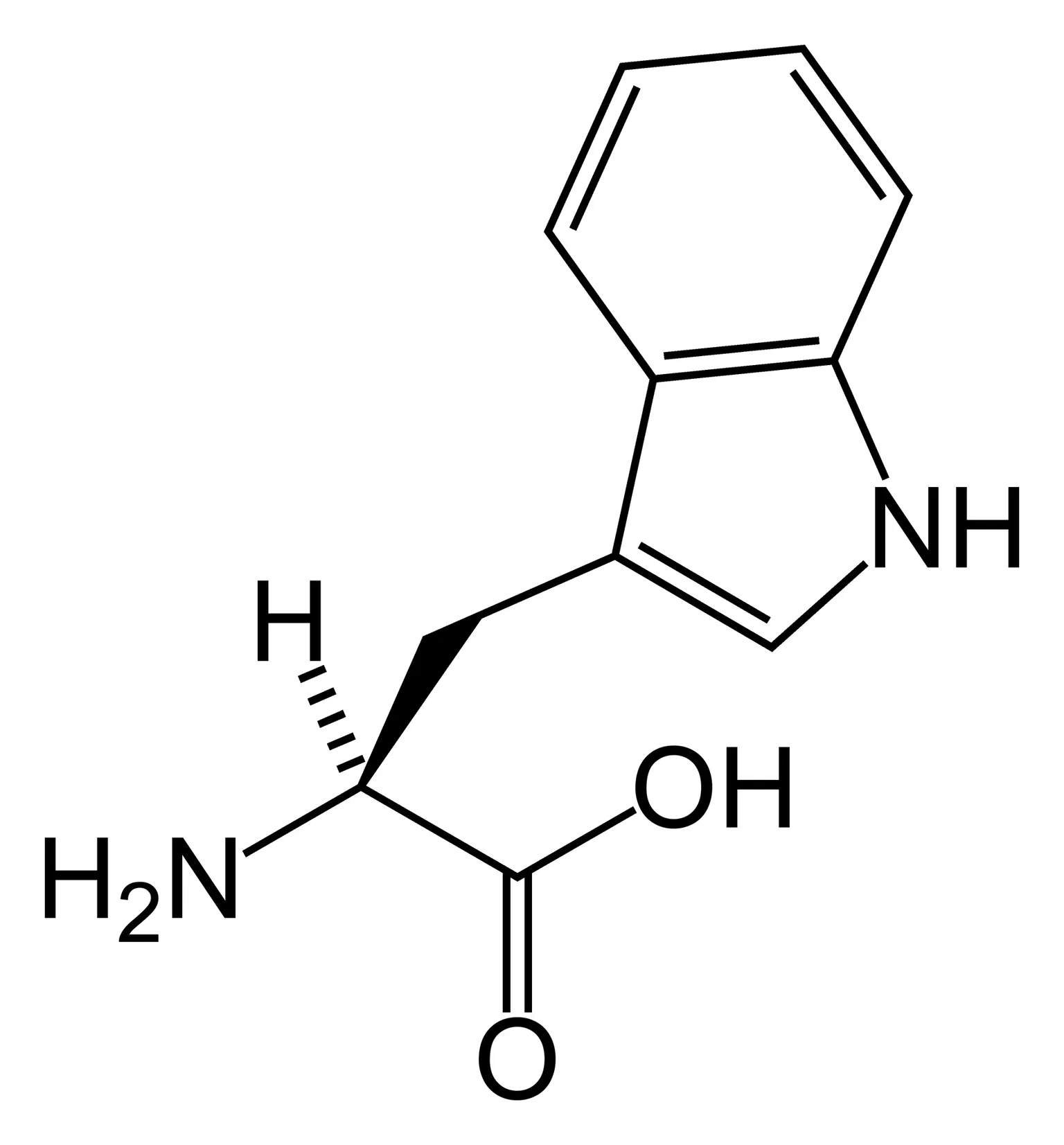
Tryptophan also pulls double duty as a precursor to niacin (vitamin B3): a portion of your daily niacin need can be synthesized from the tryptophan you eat through a multi-step conversion. Because it feeds so many downstream processes — mood, appetite, sleep, and immune function — running low on tryptophan can ripple across several areas of well-being at once.
Across the peer-reviewed literature, adequate tryptophan intake is consistently linked to improved sleep latency (how quickly you fall asleep), better overall sleep quality, and steadier mood. In one small study of 25 young adults, simply shifting the diet to include more tryptophan-rich foods was enough to produce measurable improvements in mood and reductions in anxiety symptoms. Separate research has found that tryptophan-enriched cereal intake improves nocturnal sleep while raising circulating serotonin and melatonin levels.
The Serotonin-Melatonin Connection: How Tryptophan Actually Works
The reason tryptophan matters for sleep and mood comes down to a single, well-studied pathway — and a fascinating quirk of how your brain gates nutrients. After you eat protein, tryptophan is absorbed into the bloodstream, but it must compete with several other large neutral amino acids for transport across the blood-brain barrier. This competition is exactly why the "turkey makes you sleepy" story falls apart, and why eating carbohydrates alongside tryptophan can actually help: when insulin is released in response to carbs, it shuttles the competing amino acids into muscle tissue, leaving tryptophan a clearer lane into the brain, where it can be converted into serotonin.
Once inside the brain, tryptophan is hydroxylated to 5-HTP and then decarboxylated to serotonin. As evening approaches, serotonin is converted to melatonin in the pineal gland, signaling the body that it is time to wind down. Because a large share of an oral 5-HTP dose can reach the bloodstream and cross into the brain, both food and supplement strategies can meaningfully influence this system — which is why tryptophan has been studied for everything from sleep quality to anxiety and depression.
In clinical research, tryptophan has shown promise for mood support. Studies reviewed in the scientific literature suggest that boosting tryptophan availability can reduce anxiety and depressive symptoms in some people, likely by raising brain serotonin. The effects are modest and not a substitute for medical care, but they help explain why diet quality and serotonin balance are so often discussed together.
From Thanksgiving Lore to a 1989 Scandal: Tryptophan's Rocky History
Tryptophan's public reputation is shaped by two very different stories. The first is the harmless but stubborn Thanksgiving myth: that turkey's tryptophan is what knocks everyone out after the holiday meal. The reality is that turkey is not especially high in tryptophan compared with other foods, and the drowsiness most people feel is far more likely to come from a heavy, carbohydrate-rich meal, alcohol, and simply relaxing after a long day of cooking and socializing.
The second, far more serious chapter unfolded in 1989, when an outbreak of eosinophilia-myalgia syndrome (EMS) — a rare and sometimes fatal condition marked by severe muscle pain, skin changes, and elevated white blood cells — was traced to L-tryptophan supplements. More than 1,500 Americans fell ill, and dozens died. Investigators ultimately linked the outbreak to a contaminated batch of tryptophan produced by a single manufacturer, not to the amino acid itself. The FDA responded with a temporary ban on L-tryptophan supplements, and EMS cases declined rapidly afterward. The ban was later lifted, and L-tryptophan remains available today, but the episode is still the reason many experts urge caution and careful sourcing whenever amino acid supplements are involved.
Top Foods High in Tryptophan and How Much You Need
Your body doesn't need a huge amount of tryptophan. Official guidance from the World Health Organization, FAO, and UNU sets the adult requirement at about 4 to 5 milligrams per kilogram of body weight per day — roughly 280 mg for a 70 kg (154 lb) adult. For context, the average American adult already gets around 826 mg a day from food, so true deficiency is rare on a varied diet.
Still, leaning on tryptophan-dense foods can help support steady serotonin and melatonin production. Some of the richest sources, measured per 100 grams, include:
- Pumpkin seeds — about 576 mg
- Chicken breast — about 360 mg
- Tuna — about 310 mg
- Turkey breast — about 290 mg
- Salmon — about 250 mg
- Cheese, eggs, milk, soy, oats, peanuts, and other seeds — dependable everyday sources
Plant-based eaters can hit their target comfortably, too. Soybeans, oat bran, pumpkin seeds, peanuts, and beans all deliver meaningful amounts, and because the daily requirement is small, most varied diets — omnivore or vegan — supply more than enough. The practical takeaway for better sleep is less about hunting down a single "superfood" and more about pairing tryptophan-rich protein with complex carbohydrates, which helps tryptophan cross into the brain more efficiently.
Supplements, Safety, and What to Watch For
L-tryptophan supplements are generally considered possibly safe for most adults when taken orally at recommended doses for short periods — often up to about three weeks in clinical settings. The most common side effects are mild and include nausea, dizziness, and drowsiness. Because tryptophan raises serotonin, it should never be combined with antidepressants or other serotonin-boosting medications without a doctor's guidance, due to the risk of serotonin syndrome, a potentially serious condition caused by excess serotonin.
The 1989 EMS outbreak remains the most important cautionary note: quality, purity, and sourcing matter enormously with amino acid supplements. For most people, the safer and simpler route is to get tryptophan from whole foods and to pair protein sources with complex carbohydrates to give tryptophan the best chance to do its job in the brain.
The Bottom Line: Key Takeaways
- Tryptophan is an essential amino acid and the precursor to serotonin and melatonin, which regulate mood and sleep.
- You need roughly 4 to 5 mg per kilogram of body weight daily — about 280 mg for a 70 kg adult — and most people already get more than enough from food.
- The richest food sources include pumpkin seeds, chicken, tuna, turkey, salmon, cheese, eggs, soy, and oats.
- The "turkey makes you sleepy" idea is mostly myth; holiday drowsiness comes from large, carb-heavy meals, alcohol, and relaxation.
- L-tryptophan supplements are available but should be used cautiously, especially alongside antidepressants, due to the 1989 EMS contamination episode.