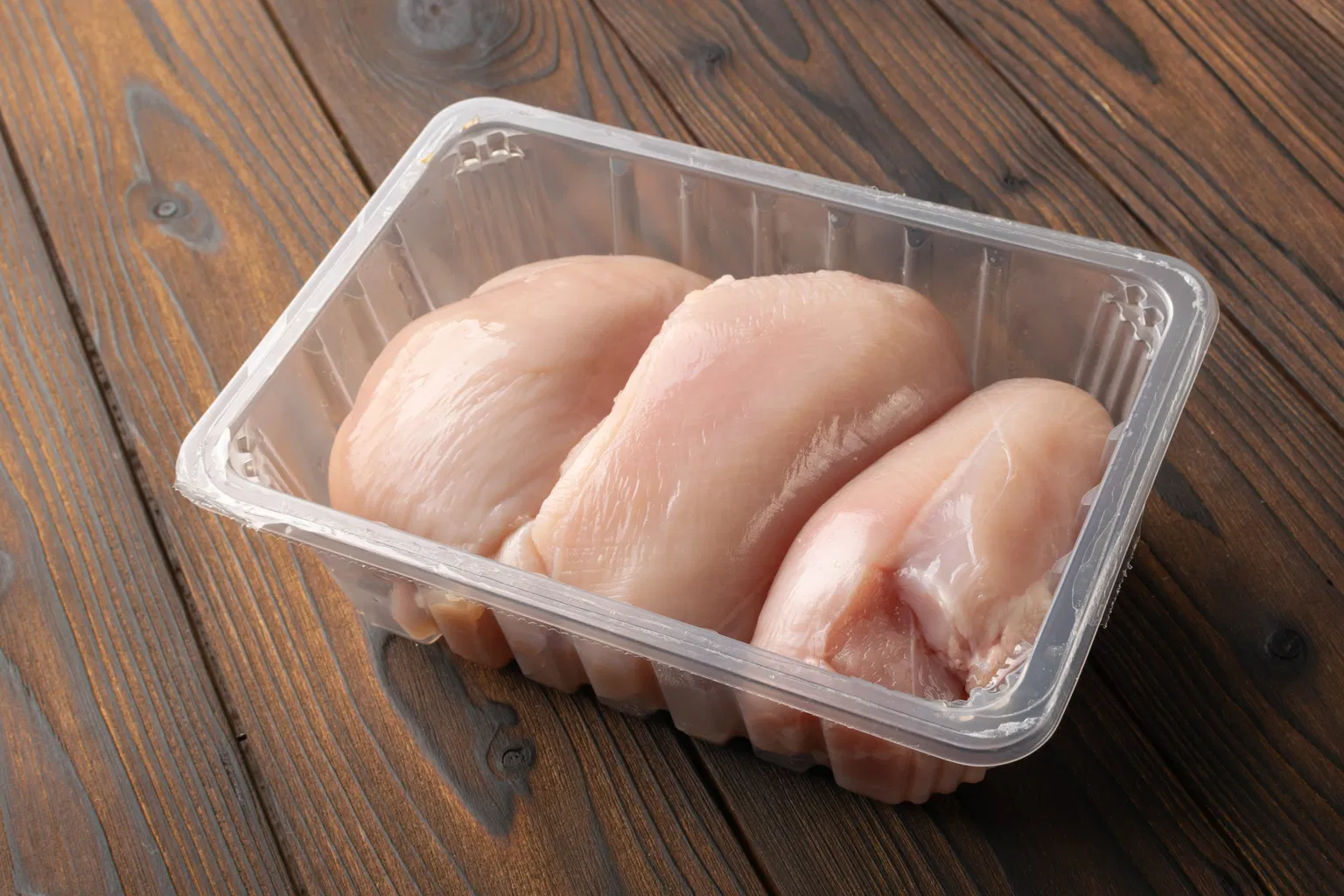
If you recently picked up marinated chicken breasts at Kroger or Fred Meyer, it's time to take a close look inside your refrigerator. The U.S. Department of Agriculture's Food Safety and Inspection Service (FSIS) issued a public health alert on June 25, 2026, warning that packages of Private Selection Honey Dijon Boneless Skinless Chicken Breasts with Rib Meat contain an undeclared allergen — eggs — that could pose a serious health risk to anyone with an egg allergy or sensitivity.
While a formal recall was not requested — the product had already been pulled from store shelves by the time the issue was discovered — the alert remains critical because these chicken packages could still be sitting in home refrigerators and freezers across nine states. Here's everything you need to know to keep yourself and your family safe.
How the Mislabeling Was Discovered
The problem came to light thanks to an observant store employee. According to the FSIS alert, the employee noticed that while the front label on the vacuum-sealed chicken package was correct, the back label — the one containing the legally required ingredient statement — belonged to an entirely different product. That incorrect back label failed to list eggs, a known allergen, as an ingredient in the Honey Dijon marinade.
The retailer immediately notified the producing establishment, which in turn alerted FSIS. The product was produced on June 2, 2026, and carries a best-if-used-by date of June 28, 2026. The affected packages are 21-ounce vacuum-sealed packs bearing lot code 15326A and establishment number P-45288B inside the USDA mark of inspection.
Nine States Affected: Is Yours on the List?
The mislabeled chicken was distributed exclusively to Kroger and Fred Meyer grocery stores across nine states spanning from the Midwest to the Pacific Northwest and into the South:
- Alabama
- Alaska
- Idaho
- Illinois
- Indiana
- Kentucky
- Oregon
- Tennessee
- Washington
If you shop at Kroger or Fred Meyer in any of these states and purchased Private Selection brand marinated chicken breasts in recent weeks, you should check your kitchen immediately — even if you've already moved the package to the freezer.
Egg Allergies: Why This Public Health Alert Matters
Eggs are one of the most common food allergens, particularly among children, though many carry the allergy into adulthood. According to the American College of Allergy, Asthma & Immunology, egg allergy is the second most common food allergy after cow's milk allergy in children. For those affected, even trace amounts of egg protein can trigger reactions ranging from hives and digestive distress to life-threatening anaphylaxis.
What makes this situation especially dangerous is the element of surprise. Someone with a known egg allergy would reasonably read the ingredient label on a package, see no mention of eggs, and assume the product is safe to consume. A faulty label removes that critical first line of defense, turning a seemingly harmless chicken dinner into a potential medical emergency.
The FSIS alert noted that as of the publication date, no confirmed allergic reactions had been reported in connection with this product. But the absence of reported reactions doesn't mean the risk has passed — it means consumers need to act now before someone gets hurt.
What to Do If You Have This Chicken at Home
If you find a package matching the description in your refrigerator or freezer, FSIS advises that you do not consume it. Instead, you have two options:
- Throw it away — Double-bag the product and dispose of it securely so that no one else, including pets or wildlife, can access it.
- Return it to the store — Kroger and Fred Meyer will accept returns of the affected product for a full refund.
If you've already consumed the chicken and have concerns — particularly if you or a family member has an egg allergy — contact your healthcare provider immediately. Symptoms of an allergic reaction can include difficulty breathing, swelling of the throat or tongue, hives, nausea, vomiting, and dizziness.
The Bigger Picture: Food Labels and Your Health
This public health alert serves as a stark reminder of why the Food Allergen Labeling and Consumer Protection Act (FALCPA) requires that the top nine major food allergens — milk, eggs, fish, crustacean shellfish, tree nuts, peanuts, wheat, soybeans, and sesame — be clearly identified on packaged food labels. When that system breaks down, even in a single production run, the consequences can be severe.
For health-conscious consumers, this incident also highlights the value of knowing exactly what goes into your food. Marinated and pre-seasoned meat products often contain ingredients you might not expect — soy, wheat, dairy, and eggs are common in marinade formulations for flavor, texture, and moisture retention. If you or someone in your household manages a food allergy, cooking from scratch with whole ingredients and reading labels every single time — even on familiar products — remains the safest approach.
It's also worth noting that Private Selection is Kroger's premium private-label brand, which many shoppers trust as a higher-quality option. This alert isn't an indictment of the brand as a whole, but it underscores that labeling errors can happen at any tier of food production.
What Happens Next
Since the product is no longer available for purchase on store shelves, the immediate risk to shoppers browsing the meat aisle has been eliminated. However, FSIS is continuing to monitor the situation, and the producing establishment will likely face additional scrutiny regarding its labeling and quality control processes to prevent a similar incident in the future.
Consumers with questions about the public health alert can contact the USDA Meat and Poultry Hotline at 1-888-MPHotline (1-888-674-6854) or visit the FSIS website for the most up-to-date information. Kroger customers can also speak with their local store's customer service desk for guidance on returns.
Key Takeaways: At a Glance
- Product: Private Selection Honey Dijon Boneless Skinless Chicken Breasts with Rib Meat, 21-oz vacuum-packed
- Issue: Undeclared egg allergen due to incorrect back label
- Lot Code: 15326A | Est. Number: P-45288B | Best By: June 28, 2026
- States: AL, AK, ID, IL, IN, KY, OR, TN, WA
- Stores: Kroger and Fred Meyer only
- Action: Discard or return to place of purchase — do not eat
- Allergic reactions reported: None as of the alert's issuance