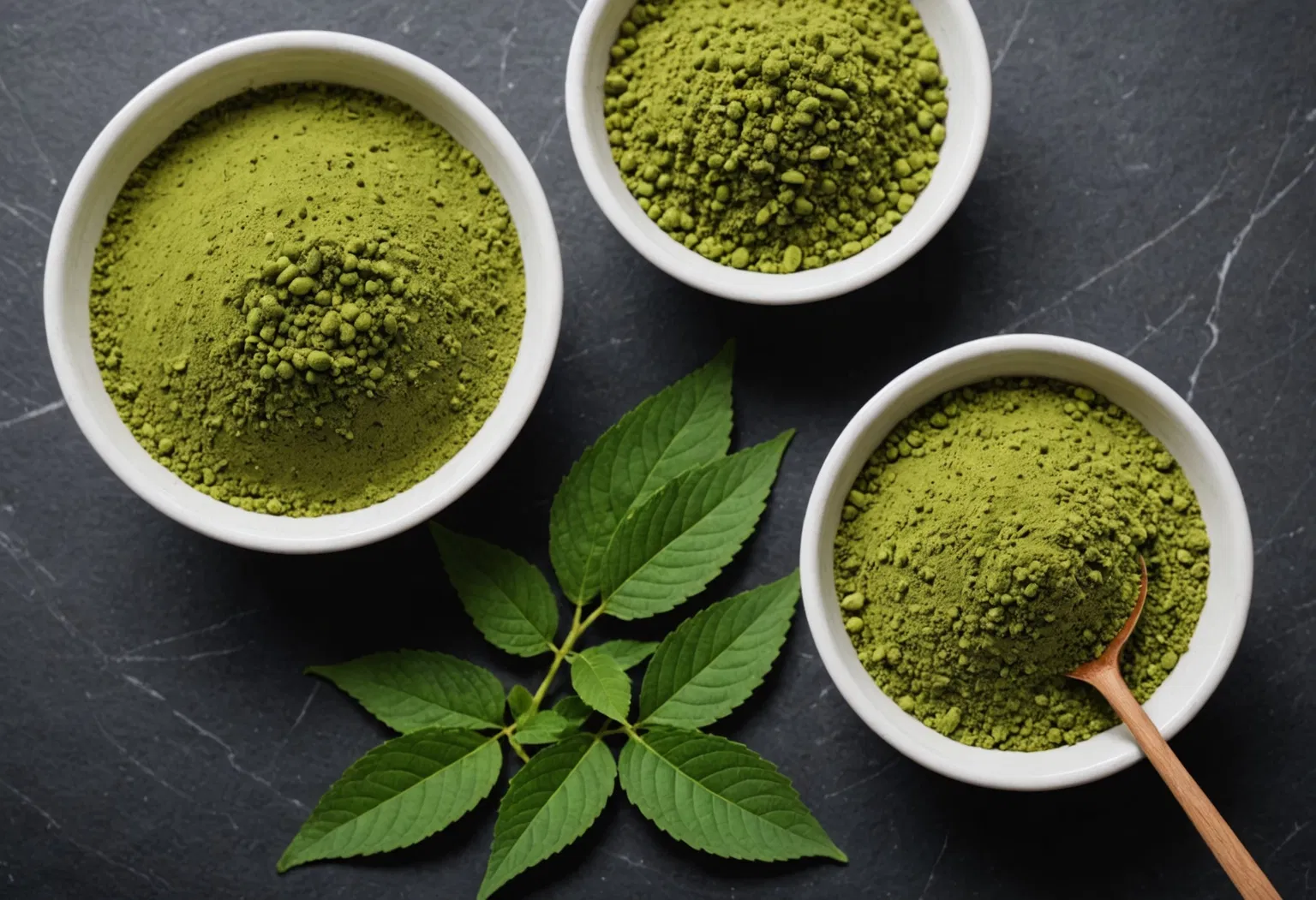
Kratom has surged back into headlines and back into Google search as questions mount over what the herbal supplement actually is, how it affects the body, and whether it is safe. The tropical botanical comes from the leaves of a tree native to Southeast Asia, where it has been used for centuries in countries such as Thailand and Malaysia. In the United States, however, it occupies a gray zone: sold openly in smoke shops, gas stations, and online as powders, capsules, teas, and extracts, yet never approved by the Food and Drug Administration for any medical use. As interest spikes alongside reports tied to college campuses — including the University of Mississippi, home to one of the world's leading kratom research programs — here is what consumers need to know about kratom's health effects, risks, and legal status.
What Is Kratom? Inside the Trending Southeast Asian Botanical
Kratom (Mitragyna speciosa) is an evergreen tree in the coffee family, Rubiaceae, which also includes gardenia. Native to Thailand, Indonesia, Malaysia, Myanmar, and Papua New Guinea, the tree's leaves have been chewed or brewed into tea for generations — traditionally by laborers and farmers seeking energy, stamina, and relief from aches and pains.
The plant's effects come primarily from two alkaloids: mitragynine and 7-hydroxymitragynine. Today, kratom is sold in many forms, including raw leaf powder, capsules, tablets, concentrated extracts, and even gummies and drinks. Because it is marketed as a botanical or dietary supplement rather than an approved drug, it is sold with little oversight, and products can vary widely in potency, purity, and dosing.
How Kratom Works: Energy at Low Doses, Sedation at Higher Doses
One reason kratom is hard to categorize is its dose-dependent nature. At lower doses, users often report stimulant-like effects: increased energy, alertness, talkativeness, and sociability. At higher doses, the experience shifts toward opioid-like effects, including pain relief, relaxation, sedation, and euphoria.
This happens because mitragynine and 7-hydroxymitragynine interact with opioid receptors in the brain. That mechanism explains both kratom's appeal and the safety concerns raised by health agencies. Surveys of kratom users suggest people turn to it for a range of reasons, including managing chronic pain, boosting energy, improving mood, and reducing symptoms of anxiety or depression. A significant share also report using kratom to self-manage opioid withdrawal or to cut back on opioid use — one of the main arguments advocates make for keeping it available. Researchers caution, however, that these uses are not backed by FDA-approved clinical evidence, and more study is needed. The National Institute on Drug Abuse estimated that roughly 1.7 million Americans aged 12 and older used kratom in the past year, based on a 2021 survey.
Is Kratom a Drug? Legal Status and FDA Warnings
The short answer is complicated. Kratom is legal at the federal level in the United States, but it is not an FDA-approved drug, and the FDA has repeatedly warned consumers against its use.
The agency has cited concerns including addiction potential, dependence, liver toxicity, and contamination with heavy metals and salmonella. In 2018, a multistate salmonella outbreak was linked to kratom products, prompting recalls. The Drug Enforcement Administration announced plans in 2016 to place kratom in Schedule I — the most restrictive category — but withdrew the proposal after significant public backlash and calls for more research.
At the state level, the picture varies. Kratom is banned in Alabama, Arkansas, Indiana, Rhode Island, Vermont, and Wisconsin, as well as in several cities and counties. In Mississippi, kratom remains legal but has faced legislative scrutiny. Several states have also adopted versions of a Kratom Consumer Protection Act, which sets standards for labeling, testing, and age limits rather than banning the substance outright. Advocacy groups such as the American Kratom Association argue for regulated, safe access and push back against outright bans.
Why Kratom Is Trending Now: The Ole Miss Connection
The surge in searches pairing kratom with ole miss students points to the University of Mississippi's notable role in kratom science. The school's National Center for Natural Products Research is one of the world's leading hubs for studying kratom's chemistry, safety, and pharmacology. Researchers there — along with scientists such as Christopher McCurdy, a prominent kratom pharmacologist who previously worked at Ole Miss — have helped shape scientific understanding of the plant's active compounds.
Beyond the research lab, kratom's easy availability near college campuses has fueled broader conversations about young adult use. Because kratom is sold in many states without age restrictions, public health officials and university communities have raised questions about how accessible the substance is to students.
Health Risks and Side Effects: What to Know Before You Try
Even among people who use kratom, the experience can carry side effects. Commonly reported ones include nausea, constipation, dizziness, dry mouth, sweating, and loss of appetite. With regular or heavy use, some people develop dependence and experience withdrawal symptoms such as irritability, muscle aches, and insomnia when they stop.
More serious risks have also been documented. The FDA has received reports of liver injury associated with kratom use, and the agency has noted that kratom has been detected in some overdose deaths — often in combination with other substances. Because kratom products are largely unregulated, there is also the risk of contamination and inconsistent dosing.
Health agencies, including the FDA and the National Institute on Drug Abuse, advise caution, particularly for people who are pregnant, taking medications, or managing health conditions. Kratom can interact with other drugs, and its unregulated status means there is no standard for safe dosing.
The Bottom Line: Key Takeaways
- Kratom is a Southeast Asian botanical related to coffee, used traditionally for energy and pain relief.
- Its main compounds, mitragynine and 7-hydroxymitragynine, act on opioid receptors, producing stimulant effects at low doses and sedative, pain-relieving effects at high doses.
- The FDA has not approved kratom for any medical use and warns of addiction, liver injury, and contamination risks.
- Kratom is legal federally but banned in six states and some localities.
- The University of Mississippi's National Center for Natural Products Research is a leading kratom research hub, contributing to the recent search surge.
- If you are considering kratom, consult a healthcare provider first, especially if you take medications or have underlying health conditions.