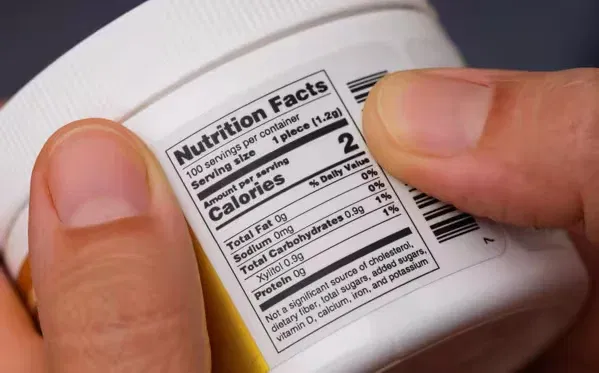
A new study led by the Cleveland Clinic has linked xylitol, a common zero-calorie sweetener found in sugar-free candy, gum, baked goods, and even toothpaste, to an increased risk of heart attack and stroke. Published in the European Heart Journal, the research found that people with the highest levels of xylitol in their blood were significantly more likely to experience a cardiovascular event over a three-year period — raising fresh questions about whether sugar substitutes are truly the healthier choice they are marketed to be.
The findings arrive roughly one year after the same research team identified a similar link between another sugar alcohol, erythritol, and cardiovascular risk. Together, the two studies suggest that some of the most widely used sugar-free ingredients may carry hidden risks for heart health.
Inside the Study: How Xylitol May Affect the Heart
The Cleveland Clinic team, led by Stanley Hazen, M.D., Ph.D., Chair of Cardiovascular and Metabolic Sciences at the Lerner Research Institute, confirmed the association through a large-scale patient analysis, preclinical research models, and a clinical intervention study. In an analysis of more than 3,000 patients in the U.S. and Europe, researchers found that high levels of circulating xylitol were associated with an elevated three-year risk of cardiovascular events. In fact, about one-third of patients with the highest amount of xylitol in their plasma were more likely to experience a heart attack or stroke.
To understand why, the team moved beyond observation and into the lab. In pre-clinical testing, xylitol caused platelets — the blood cells responsible for clotting — to become more reactive and form clots, heightening the risk of thrombosis. In a clinical intervention study, they tracked platelet activity in people who ingested a xylitol-sweetened drink versus a glucose-sweetened drink. Every measure of clotting ability significantly increased immediately after consuming xylitol, but not glucose.
“This study again shows the immediate need for investigating sugar alcohols and artificial sweeteners, especially as they continue to be recommended in combatting conditions like obesity or diabetes,” said Dr. Hazen, who also serves as Co-Section Head of Preventive Cardiology in the Heart, Vascular & Thoracic Institute. “It does not mean throw out your toothpaste if it has xylitol in it, but we should be aware that consumption of a product containing high levels could increase the risk of blood clot related events.”
From Erythritol to Xylitol: A Growing Pattern of Concern
The xylitol findings do not exist in a vacuum. In 2023, the same Cleveland Clinic team published research linking erythritol — a sugar alcohol commonly found in keto-friendly and sugar-free foods — to higher rates of heart attack and stroke. Xylitol is not as prevalent as erythritol in U.S. keto or sugar-free products, but it is common in other countries and is widely used in chewing gum, mints, and oral care products.
Over the past decade, the use of sugar substitutes — including both sugar alcohols and artificial sweeteners — has increased significantly in processed foods promoted as healthy alternatives. For health-conscious eaters trying to cut back on sugar, ingredients like xylitol have become go-to options, which is exactly why the researchers say these additives deserve closer scrutiny.
What This Means for Your Diet and Heart Health
For anyone watching their diet, the study raises a practical question: what should you actually look for on a label? Xylitol can appear in foods labeled sugar-free, no added sugar, or low carb, and it is a staple ingredient in many sugar-free gums, candies, and protein bars. The research does not suggest that occasional, small amounts are dangerous, but it does point to a need for greater awareness — particularly for people who already have cardiovascular risk factors.
It is equally important to understand what the study does and does not prove. The authors note several limitations, including that clinical observation studies demonstrate association, not causation. In other words, the research shows a link between xylitol levels and cardiovascular events, but it does not definitively prove that xylitol causes heart attacks or strokes. More long-term studies are needed to assess the cardiovascular safety of xylitol.
Where the Science Stands Today
The study was supported in part by the National Institutes of Health and the Office of Dietary Supplements, and it represents the latest step in Dr. Hazen's ongoing investigation into factors that contribute to residual cardiovascular risk. His team follows patients over time, looking for chemical signatures in the blood that can predict the future development of heart and metabolic disease. Dr. Hazen has made pioneering discoveries in atherosclerosis research, including the seminal discovery linking gut microbial pathways to cardiovascular and metabolic diseases, and he directs Cleveland Clinic's Center for Microbiome and Human Health.
For now, the researchers' guidance is measured rather than alarmist. They recommend talking to your doctor or a certified dietitian to learn more about healthy food choices and to get personalized recommendations — especially if you regularly consume sugar-free products.
What Happens Next for Sugar Substitutes
The authors say further studies assessing the long-term cardiovascular safety of xylitol are warranted. As regulators, dietitians, and food manufacturers digest the findings, expect continued scrutiny of sugar alcohols and artificial sweeteners — a category that has grown rapidly as consumers look for alternatives to sugar.
In the meantime, the safest approach for most people is balance. Rather than relying heavily on sugar-free processed foods, experts generally recommend focusing on whole foods, checking ingredient labels, and limiting highly processed products — whether they are sweetened with sugar or a substitute.
The Bottom Line: Key Points to Remember
- A Cleveland Clinic-led study published June 6, 2024, linked higher xylitol levels to an increased three-year risk of heart attack and stroke in more than 3,000 patients.
- Lab tests showed xylitol made platelets more likely to clot, raising thrombosis risk, and a xylitol-sweetened drink increased clotting measures within minutes.
- The same team previously linked erythritol, another sugar alcohol, to cardiovascular risk in 2023.
- The findings show association, not causation — more long-term research is needed.
- Xylitol is found in sugar-free candy, gum, baked goods, and toothpaste; experts advise talking to a doctor or dietitian about your intake.